
Bielefeld
Am Sparrenberg 40, 33602 Bielefeld, Deutschland
Sparrenberg Castle | Tickets & Festival
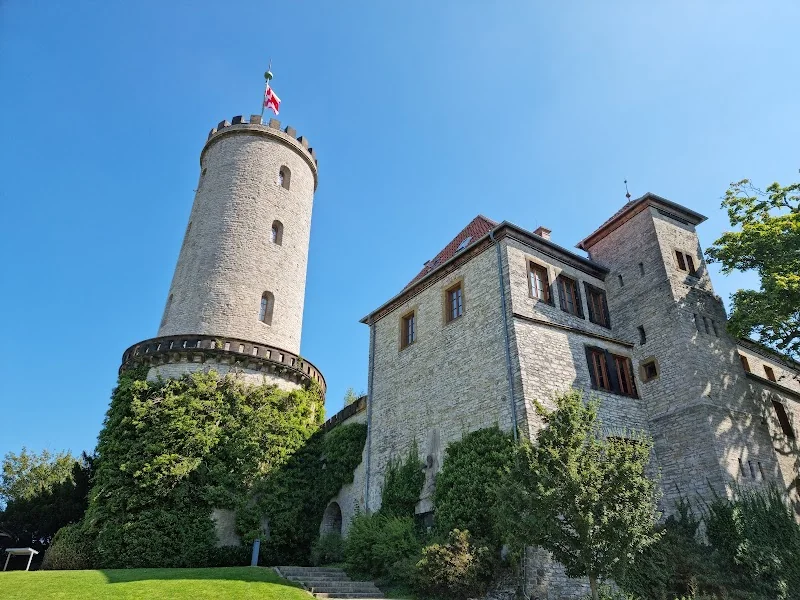
Sparrenberg Castle – in Bielefeld often simply referred to as "the Sparrenburg" – combines medieval history, defensive fortress architecture, and modern visitor experiences in one location. The freely accessible castle grounds crown the Sparrenberg hill above the old town and offer a panoramic view over the city at the Teutoburg Forest. Those who want to dive deeper can climb the tower with 121 steps or join a guided tour through the underground casemate system. Tickets are conveniently available on-site at the Visitor Information Center (BIZ) or – for the tours – also online. For travelers, the access by StadtBahn is particularly practical; drivers will find designated parking spaces near the castle, although temporary detours may need to be observed depending on construction work. Whether it's a spontaneous city trip, a photo stop above the rooftops of the city, or the grand medieval spectacle at the Sparrenburg Festival: here, panorama, history, and event experience come together in a compact space – year-round, family-friendly, and with gastronomy directly on the castle.
Tickets, Opening Hours, and Tours at the Sparrenburg
A visit to the site is divided into three exciting levels: the freely accessible outdoor area, the paid tower ascent, and the guided tours in the casemates. The extensive castle grounds are open year-round and are ideal for walks, picnics, and sunsets with a view of the city. The tower is open daily from April 1 to October 31 from 10 AM to 6 PM; in the winter season (November 1 to March 31), it is open on Saturdays, Sundays, and public holidays from 11 AM to 6 PM. The 121 steps reward visitors with a 360-degree panorama; the tower measures 31.5 meters to the edge of the battlements, including the flagpole it reaches 45.2 meters. Those who wish to explore the underground defense structures can join a public casemate tour: during the summer season, these start daily at 12:00 PM and 2:30 PM, with additional tours on Sundays and public holidays at 4:00 PM. The approximately 45-minute tours reveal the roughly 300-meter-long passage system with its thick walls, light shafts, and dungeons; for safety and nature conservation reasons, they are only accessible as part of a guided tour and pause in winter as a bat habitat. Tickets for the tower ascent are available at the Visitor Information Center (BIZ) on the castle grounds. For public casemate tours, tickets can be purchased both at the BIZ and online; additionally, group tours can be arranged by appointment. The rates include individual tickets as well as combination tickets for the tower and tour, as well as discounts for students, BI pass holders, and people with disabilities. Tip for planning: on sunny weekends and during holiday periods, popular slots sell out quickly – early booking increases the chance of desired times. Dogs are welcome on the grounds but are not allowed in the tower or the casemates for safety reasons. For those who want to experience the full program, combining the tower ascent with a tour, enjoying an ice cream or coffee at the BIZ, and staying until the golden evening light for particularly atmospheric photos is recommended.
Sparrenburg Festival: Medieval Festival in Bielefeld
The Sparrenburg Festival is the most popular event at the city's landmark and attracts many thousands of visitors every summer with jugglers, music, market hustle, and camp life. After pandemic-related pauses, the tradition is back, and the grand medieval spectacle is again planned as a three-day festival for 2026: from Friday to Sunday, July 24 to 26, 2026. Around the castle, tents and stalls will rise, blacksmiths will spark, musicians will provide live music, and historical groups will present crafts, armor, and everyday life from past centuries. Those who want to enjoy the festival stress-free should best arrive by public transport, as parking spaces around the castle hill can be scarce during the festival. Tickets and program information will be communicated centrally through the city's information channels; experience shows that there are both day tickets and weekend tickets, and children's offers make the visit family-friendly. Off the stage, a detour to the castle walls is worthwhile: especially in the evening, when the stalls are illuminated and music resonates over the courtyard, impressive motifs arise with the city as a sparkling backdrop. For foodies, the festival offers a range from hearty to sweet; allergy sufferers will find clear labeling at most stalls. Comfortable, weatherproof clothing is important – the grounds are largely open, and depending on the weather, hot afternoons alternate with cool breezes on the slope. Those with strollers or buggies should choose the wider paths; cobblestones and slight inclines are to be expected. As a complement, the regular castle offerings such as tower ascent or casemate tours are recommended during the festival period – those wishing to combine both should reserve time slots in advance. A look at the city's event calendar provides continuously updated program points, from concerts to knight shows. Due to its special location on the ridge of the Teutoburg Forest, the festival becomes a backdrop experience where history and present merge.
Access and Parking at the Sparrenburg
The most convenient access is by StadtBahn: Line 1 to "Adenauerplatz" or lines 1 and 2 to "Landgericht". From there, a short, steep footpath leads uphill to the castle. Those coming from the old town can plan the ascent as part of a city walk; signs point the way "Am Sparrenberg" up. For drivers, there are parking spaces near the castle entrance in the address area Am Sparrenberg 38a/40. Due to slope stabilization work and wall inspections, parts of the road "Am Sparrenberg" and the directly adjacent parking lot have been temporarily closed in recent years; during such phases, alternative parking spaces on Schubertstraße (area "Schöne Aussicht") are recommended. Therefore, check current notices from the city or local media before your arrival. Regardless of temporary closures, it holds true: on good outing weather, parking spaces near the castle quickly become scarce, which is why public transport or a combined approach of parking in the city center and a short walk is advisable. Cyclists will find bicycle parking facilities in the lower city areas but should consider the steep ascent to the castle. Those using navigation devices should enter the address of the Visitor Information Center and follow the last meters of local signage. For travel groups with buses, direct access to the castle is heavily restricted; plan pick-up and drop-off points in the valley and short walks. Tip: those wishing to explore the castle as part of a day hike can combine the visit with stages on the high paths of the Teutoburg Forest – several marked routes pass by the Sparrenberg, allowing for a seamless integration of the arrival into a round tour. In winter conditions, the paths can be slippery in places; non-slip footwear is advisable. Visitors with dogs should observe the rules on the grounds and keep their animals on a leash; the tower and the casemates remain off-limits for four-legged friends.
The Best Photo Spots and Panoramic Views (“photos”)
Photographers and content creators will find numerous perspectives at the Sparrenburg that capture the charm of the site as well as its location above the rooftops of Bielefeld. The classic shot is achieved from the castle courtyard when the tower stands against the sky; during the golden hour, the sandstone glows particularly warm. Those planning "sparrenburg castle photos" should incorporate the tower ascent: up there, an XXL panorama opens up, reaching as far as the Wiehengebirge in clear weather. Wide-angle lenses emphasize the battlements and the city, while telephoto lenses bring landmarks like the Old Town Square or Johannisberg closer. For story formats and reels, "walk and talk" clips along the wall paths are ideal; the slight incline and open terrain create movement in the image composition. An underrated spot lies a little below the castle on the meadow slopes: from there, trees frame the masonry and create depth. Those wanting to avoid crowds should choose weekdays in the morning or late evening hours. More traffic is to be expected during the summer holidays and the Sparrenburg Festival; with patience, however, it is still possible to capture fitting close-ups of jugglers, instruments, or craft details. For "sparrenberg castle zdjęcia", "fotoğraflar", or "foto's" – that is, image requests from international guests – it is also worthwhile to look from opposite slopes: this way, both the castle and the skyline can be depicted together. In rain, dramatic cloud moods arise; be sure to have weather-protected equipment and non-slip soles. Drone flights are generally not permitted in the immediate castle grounds; respect general air traffic and nature conservation rules, especially regarding the bat habitats of the casemates in winter. For night shots, the view down on the city lights is recommended; a small tripod and high ISO values help in windy conditions. Avoid light pollution within the grounds and keep paths clear. Those photographing with smartphones should better activate the focus point lock to prevent the sky from burning out and use HDR options for contrasts between masonry and sky. This way, "reviews"-worthy impressions arise that convincingly convey the mix of history, views, and atmosphere.
History, Architecture, and Highlights of the Site
The Sparrenburg is first mentioned in documents in 1256; it was probably built in the first half of the 13th century under the Counts of Ravensberg, who used the construction as an administrative center for their county – with official court, drostei, and residence of the lord of the land. Its strategic purpose was twofold: it secured the pass through the Teutoburg Forest and protected the young city of Bielefeld, which was founded around 1214. With the spread of firearms, the castle evolved into a fortress: gradually, four rondelles were built, which were later connected by the casemates – underground, bomb-proof corridors. The visible landmark is the tower, which reaches a height of 31.5 meters to the edge of the battlements. The ascent of 121 steps offers distant views over the city and low mountain landscape; in particularly clear weather, the Wiehengebirge can even be seen. After severe damage in the Thirty Years' War, the Great Elector had the site restored, but it lost its military significance after 1688. Parts were used in the 18th and 19th centuries as an official residence and prison; in 1775, Frederick the Great ordered the removal of wall stones that were used for barracks construction in the city. In the wave of castle romanticism, reconstruction began in the mid-19th century, supported by donations. In 1879, the city of Bielefeld acquired the ruins from the Prussian state; since then, the Sparrenburg has been regarded as a municipal landmark and popular excursion destination. In the inner courtyard, a monument commemorates the Great Elector, donated by Emperor Wilhelm II and ceremoniously unveiled in 1900. Archaeological excavations since 2006 have repeatedly uncovered new findings: exposed platforms, sandstone cannonballs, and massive medieval walls. Particularly noteworthy is the ecological significance of the site: 14 different bat species hibernate in the casemates; therefore, no visitor tours take place from November to March. Those exploring the fortress today experience the juxtaposition of medieval basic structure and later expansions: rondelles and casemates tell of the transition to an artillery fortress; courtyard, remains of the palace, and gate structures show the representative character of a residence. As "Sparrenberg Castle," the fortress is known internationally; correctly, it is called in German "Burg und Festung Sparrenberg," while "Sparrenburg Castle" is a common spelling variant in English. For visitors, the differences are irrelevant – what matters is the experience on-site, which consists of history, views, and vibrant urban culture.
Reviews, Gastronomy, and Visitor Tips
Feedback from travelers consistently highlights three aspects: the wide view over Bielefeld, the well-maintained facilities, and the coherent gastronomy offering directly at the castle. After the tower ascent or a tour, the restaurant, café, and day bar with terrace invite for a break; in summer, the outdoor area is among the most beautiful spots in the city. Those wishing to experience the site in peace should come best during the week or early in the day; during holidays and on weekends, stronger crowds are to be expected. Families should plan for the casemate tour around 45 minutes plus some buffer for ticketing; children from preschool age manage well with the narrow corridors as long as they have a companion with them. Strollers are not suitable in the underground sections; carrying is the better choice. People with limited mobility should know that the grounds have inclines and cobblestones; barriers are particularly unavoidable during the tower ascent and in the casemates. Dogs are welcome on the area but are not allowed in the tower and the casemates; water bowls in summer and shaded spots along the walls make the stay more pleasant for four-legged friends. For photographers: sunrises and sunsets provide the most atmospheric colors; after rain, sandstone and vegetation develop a rich texture. In the cold season, the tower (on weekends/public holidays) and the outdoor area are attractive alternatives to the paused casemate tours. As a souvenir, a look into the BIZ is worthwhile; here, flyers, small gifts, and information on city tours like "Bielefeld from above: Castle and City" can be found. Those seeking a special experience can combine the castle with thematic tours in the city center, such as culinary tours or wine walks, which are offered seasonally. Generally, comfortable, slip-resistant clothing is recommended; temperatures on the slope can be noticeably cooler than in the city center. For groups, booking individual tours is worthwhile; these allow for tailored routes, additional content, and flexible start times. A final tip for international guests searching for "sparrenburg castle reviews" or "sparrenberg castle photos": the official city pages bundle opening hours, tickets, and seasonal dates in real-time – ideal for planning arrival, tower ascent, and tours seamlessly.
Sources:
- Sparrenburg | Bielefeld.JETZT – Official City Page
- Teutoburger Wald Tourism – Sparrenburg Bielefeld (Opening Hours, Tours, Contact)
- Wikipedia – Sparrenberg Castle (History, Overview)
- Radio Bielefeld – Report on the Closure/Inspection of the Wall at the Sparrenburg
- Bielefeld-App – Note on Slope Stabilization and Alternative Parking
- Stadtblick Sparrenburg – Restaurant, Café, and Day Bar at the Castle
Show moreShow less
Sparrenberg Castle | Tickets & Festival
Sparrenberg Castle – in Bielefeld often simply referred to as "the Sparrenburg" – combines medieval history, defensive fortress architecture, and modern visitor experiences in one location. The freely accessible castle grounds crown the Sparrenberg hill above the old town and offer a panoramic view over the city at the Teutoburg Forest. Those who want to dive deeper can climb the tower with 121 steps or join a guided tour through the underground casemate system. Tickets are conveniently available on-site at the Visitor Information Center (BIZ) or – for the tours – also online. For travelers, the access by StadtBahn is particularly practical; drivers will find designated parking spaces near the castle, although temporary detours may need to be observed depending on construction work. Whether it's a spontaneous city trip, a photo stop above the rooftops of the city, or the grand medieval spectacle at the Sparrenburg Festival: here, panorama, history, and event experience come together in a compact space – year-round, family-friendly, and with gastronomy directly on the castle.
Tickets, Opening Hours, and Tours at the Sparrenburg
A visit to the site is divided into three exciting levels: the freely accessible outdoor area, the paid tower ascent, and the guided tours in the casemates. The extensive castle grounds are open year-round and are ideal for walks, picnics, and sunsets with a view of the city. The tower is open daily from April 1 to October 31 from 10 AM to 6 PM; in the winter season (November 1 to March 31), it is open on Saturdays, Sundays, and public holidays from 11 AM to 6 PM. The 121 steps reward visitors with a 360-degree panorama; the tower measures 31.5 meters to the edge of the battlements, including the flagpole it reaches 45.2 meters. Those who wish to explore the underground defense structures can join a public casemate tour: during the summer season, these start daily at 12:00 PM and 2:30 PM, with additional tours on Sundays and public holidays at 4:00 PM. The approximately 45-minute tours reveal the roughly 300-meter-long passage system with its thick walls, light shafts, and dungeons; for safety and nature conservation reasons, they are only accessible as part of a guided tour and pause in winter as a bat habitat. Tickets for the tower ascent are available at the Visitor Information Center (BIZ) on the castle grounds. For public casemate tours, tickets can be purchased both at the BIZ and online; additionally, group tours can be arranged by appointment. The rates include individual tickets as well as combination tickets for the tower and tour, as well as discounts for students, BI pass holders, and people with disabilities. Tip for planning: on sunny weekends and during holiday periods, popular slots sell out quickly – early booking increases the chance of desired times. Dogs are welcome on the grounds but are not allowed in the tower or the casemates for safety reasons. For those who want to experience the full program, combining the tower ascent with a tour, enjoying an ice cream or coffee at the BIZ, and staying until the golden evening light for particularly atmospheric photos is recommended.
Sparrenburg Festival: Medieval Festival in Bielefeld
The Sparrenburg Festival is the most popular event at the city's landmark and attracts many thousands of visitors every summer with jugglers, music, market hustle, and camp life. After pandemic-related pauses, the tradition is back, and the grand medieval spectacle is again planned as a three-day festival for 2026: from Friday to Sunday, July 24 to 26, 2026. Around the castle, tents and stalls will rise, blacksmiths will spark, musicians will provide live music, and historical groups will present crafts, armor, and everyday life from past centuries. Those who want to enjoy the festival stress-free should best arrive by public transport, as parking spaces around the castle hill can be scarce during the festival. Tickets and program information will be communicated centrally through the city's information channels; experience shows that there are both day tickets and weekend tickets, and children's offers make the visit family-friendly. Off the stage, a detour to the castle walls is worthwhile: especially in the evening, when the stalls are illuminated and music resonates over the courtyard, impressive motifs arise with the city as a sparkling backdrop. For foodies, the festival offers a range from hearty to sweet; allergy sufferers will find clear labeling at most stalls. Comfortable, weatherproof clothing is important – the grounds are largely open, and depending on the weather, hot afternoons alternate with cool breezes on the slope. Those with strollers or buggies should choose the wider paths; cobblestones and slight inclines are to be expected. As a complement, the regular castle offerings such as tower ascent or casemate tours are recommended during the festival period – those wishing to combine both should reserve time slots in advance. A look at the city's event calendar provides continuously updated program points, from concerts to knight shows. Due to its special location on the ridge of the Teutoburg Forest, the festival becomes a backdrop experience where history and present merge.
Access and Parking at the Sparrenburg
The most convenient access is by StadtBahn: Line 1 to "Adenauerplatz" or lines 1 and 2 to "Landgericht". From there, a short, steep footpath leads uphill to the castle. Those coming from the old town can plan the ascent as part of a city walk; signs point the way "Am Sparrenberg" up. For drivers, there are parking spaces near the castle entrance in the address area Am Sparrenberg 38a/40. Due to slope stabilization work and wall inspections, parts of the road "Am Sparrenberg" and the directly adjacent parking lot have been temporarily closed in recent years; during such phases, alternative parking spaces on Schubertstraße (area "Schöne Aussicht") are recommended. Therefore, check current notices from the city or local media before your arrival. Regardless of temporary closures, it holds true: on good outing weather, parking spaces near the castle quickly become scarce, which is why public transport or a combined approach of parking in the city center and a short walk is advisable. Cyclists will find bicycle parking facilities in the lower city areas but should consider the steep ascent to the castle. Those using navigation devices should enter the address of the Visitor Information Center and follow the last meters of local signage. For travel groups with buses, direct access to the castle is heavily restricted; plan pick-up and drop-off points in the valley and short walks. Tip: those wishing to explore the castle as part of a day hike can combine the visit with stages on the high paths of the Teutoburg Forest – several marked routes pass by the Sparrenberg, allowing for a seamless integration of the arrival into a round tour. In winter conditions, the paths can be slippery in places; non-slip footwear is advisable. Visitors with dogs should observe the rules on the grounds and keep their animals on a leash; the tower and the casemates remain off-limits for four-legged friends.
The Best Photo Spots and Panoramic Views (“photos”)
Photographers and content creators will find numerous perspectives at the Sparrenburg that capture the charm of the site as well as its location above the rooftops of Bielefeld. The classic shot is achieved from the castle courtyard when the tower stands against the sky; during the golden hour, the sandstone glows particularly warm. Those planning "sparrenburg castle photos" should incorporate the tower ascent: up there, an XXL panorama opens up, reaching as far as the Wiehengebirge in clear weather. Wide-angle lenses emphasize the battlements and the city, while telephoto lenses bring landmarks like the Old Town Square or Johannisberg closer. For story formats and reels, "walk and talk" clips along the wall paths are ideal; the slight incline and open terrain create movement in the image composition. An underrated spot lies a little below the castle on the meadow slopes: from there, trees frame the masonry and create depth. Those wanting to avoid crowds should choose weekdays in the morning or late evening hours. More traffic is to be expected during the summer holidays and the Sparrenburg Festival; with patience, however, it is still possible to capture fitting close-ups of jugglers, instruments, or craft details. For "sparrenberg castle zdjęcia", "fotoğraflar", or "foto's" – that is, image requests from international guests – it is also worthwhile to look from opposite slopes: this way, both the castle and the skyline can be depicted together. In rain, dramatic cloud moods arise; be sure to have weather-protected equipment and non-slip soles. Drone flights are generally not permitted in the immediate castle grounds; respect general air traffic and nature conservation rules, especially regarding the bat habitats of the casemates in winter. For night shots, the view down on the city lights is recommended; a small tripod and high ISO values help in windy conditions. Avoid light pollution within the grounds and keep paths clear. Those photographing with smartphones should better activate the focus point lock to prevent the sky from burning out and use HDR options for contrasts between masonry and sky. This way, "reviews"-worthy impressions arise that convincingly convey the mix of history, views, and atmosphere.
History, Architecture, and Highlights of the Site
The Sparrenburg is first mentioned in documents in 1256; it was probably built in the first half of the 13th century under the Counts of Ravensberg, who used the construction as an administrative center for their county – with official court, drostei, and residence of the lord of the land. Its strategic purpose was twofold: it secured the pass through the Teutoburg Forest and protected the young city of Bielefeld, which was founded around 1214. With the spread of firearms, the castle evolved into a fortress: gradually, four rondelles were built, which were later connected by the casemates – underground, bomb-proof corridors. The visible landmark is the tower, which reaches a height of 31.5 meters to the edge of the battlements. The ascent of 121 steps offers distant views over the city and low mountain landscape; in particularly clear weather, the Wiehengebirge can even be seen. After severe damage in the Thirty Years' War, the Great Elector had the site restored, but it lost its military significance after 1688. Parts were used in the 18th and 19th centuries as an official residence and prison; in 1775, Frederick the Great ordered the removal of wall stones that were used for barracks construction in the city. In the wave of castle romanticism, reconstruction began in the mid-19th century, supported by donations. In 1879, the city of Bielefeld acquired the ruins from the Prussian state; since then, the Sparrenburg has been regarded as a municipal landmark and popular excursion destination. In the inner courtyard, a monument commemorates the Great Elector, donated by Emperor Wilhelm II and ceremoniously unveiled in 1900. Archaeological excavations since 2006 have repeatedly uncovered new findings: exposed platforms, sandstone cannonballs, and massive medieval walls. Particularly noteworthy is the ecological significance of the site: 14 different bat species hibernate in the casemates; therefore, no visitor tours take place from November to March. Those exploring the fortress today experience the juxtaposition of medieval basic structure and later expansions: rondelles and casemates tell of the transition to an artillery fortress; courtyard, remains of the palace, and gate structures show the representative character of a residence. As "Sparrenberg Castle," the fortress is known internationally; correctly, it is called in German "Burg und Festung Sparrenberg," while "Sparrenburg Castle" is a common spelling variant in English. For visitors, the differences are irrelevant – what matters is the experience on-site, which consists of history, views, and vibrant urban culture.
Reviews, Gastronomy, and Visitor Tips
Feedback from travelers consistently highlights three aspects: the wide view over Bielefeld, the well-maintained facilities, and the coherent gastronomy offering directly at the castle. After the tower ascent or a tour, the restaurant, café, and day bar with terrace invite for a break; in summer, the outdoor area is among the most beautiful spots in the city. Those wishing to experience the site in peace should come best during the week or early in the day; during holidays and on weekends, stronger crowds are to be expected. Families should plan for the casemate tour around 45 minutes plus some buffer for ticketing; children from preschool age manage well with the narrow corridors as long as they have a companion with them. Strollers are not suitable in the underground sections; carrying is the better choice. People with limited mobility should know that the grounds have inclines and cobblestones; barriers are particularly unavoidable during the tower ascent and in the casemates. Dogs are welcome on the area but are not allowed in the tower and the casemates; water bowls in summer and shaded spots along the walls make the stay more pleasant for four-legged friends. For photographers: sunrises and sunsets provide the most atmospheric colors; after rain, sandstone and vegetation develop a rich texture. In the cold season, the tower (on weekends/public holidays) and the outdoor area are attractive alternatives to the paused casemate tours. As a souvenir, a look into the BIZ is worthwhile; here, flyers, small gifts, and information on city tours like "Bielefeld from above: Castle and City" can be found. Those seeking a special experience can combine the castle with thematic tours in the city center, such as culinary tours or wine walks, which are offered seasonally. Generally, comfortable, slip-resistant clothing is recommended; temperatures on the slope can be noticeably cooler than in the city center. For groups, booking individual tours is worthwhile; these allow for tailored routes, additional content, and flexible start times. A final tip for international guests searching for "sparrenburg castle reviews" or "sparrenberg castle photos": the official city pages bundle opening hours, tickets, and seasonal dates in real-time – ideal for planning arrival, tower ascent, and tours seamlessly.
Sources:
- Sparrenburg | Bielefeld.JETZT – Official City Page
- Teutoburger Wald Tourism – Sparrenburg Bielefeld (Opening Hours, Tours, Contact)
- Wikipedia – Sparrenberg Castle (History, Overview)
- Radio Bielefeld – Report on the Closure/Inspection of the Wall at the Sparrenburg
- Bielefeld-App – Note on Slope Stabilization and Alternative Parking
- Stadtblick Sparrenburg – Restaurant, Café, and Day Bar at the Castle
Sparrenberg Castle | Tickets & Festival
Sparrenberg Castle – in Bielefeld often simply referred to as "the Sparrenburg" – combines medieval history, defensive fortress architecture, and modern visitor experiences in one location. The freely accessible castle grounds crown the Sparrenberg hill above the old town and offer a panoramic view over the city at the Teutoburg Forest. Those who want to dive deeper can climb the tower with 121 steps or join a guided tour through the underground casemate system. Tickets are conveniently available on-site at the Visitor Information Center (BIZ) or – for the tours – also online. For travelers, the access by StadtBahn is particularly practical; drivers will find designated parking spaces near the castle, although temporary detours may need to be observed depending on construction work. Whether it's a spontaneous city trip, a photo stop above the rooftops of the city, or the grand medieval spectacle at the Sparrenburg Festival: here, panorama, history, and event experience come together in a compact space – year-round, family-friendly, and with gastronomy directly on the castle.
Tickets, Opening Hours, and Tours at the Sparrenburg
A visit to the site is divided into three exciting levels: the freely accessible outdoor area, the paid tower ascent, and the guided tours in the casemates. The extensive castle grounds are open year-round and are ideal for walks, picnics, and sunsets with a view of the city. The tower is open daily from April 1 to October 31 from 10 AM to 6 PM; in the winter season (November 1 to March 31), it is open on Saturdays, Sundays, and public holidays from 11 AM to 6 PM. The 121 steps reward visitors with a 360-degree panorama; the tower measures 31.5 meters to the edge of the battlements, including the flagpole it reaches 45.2 meters. Those who wish to explore the underground defense structures can join a public casemate tour: during the summer season, these start daily at 12:00 PM and 2:30 PM, with additional tours on Sundays and public holidays at 4:00 PM. The approximately 45-minute tours reveal the roughly 300-meter-long passage system with its thick walls, light shafts, and dungeons; for safety and nature conservation reasons, they are only accessible as part of a guided tour and pause in winter as a bat habitat. Tickets for the tower ascent are available at the Visitor Information Center (BIZ) on the castle grounds. For public casemate tours, tickets can be purchased both at the BIZ and online; additionally, group tours can be arranged by appointment. The rates include individual tickets as well as combination tickets for the tower and tour, as well as discounts for students, BI pass holders, and people with disabilities. Tip for planning: on sunny weekends and during holiday periods, popular slots sell out quickly – early booking increases the chance of desired times. Dogs are welcome on the grounds but are not allowed in the tower or the casemates for safety reasons. For those who want to experience the full program, combining the tower ascent with a tour, enjoying an ice cream or coffee at the BIZ, and staying until the golden evening light for particularly atmospheric photos is recommended.
Sparrenburg Festival: Medieval Festival in Bielefeld
The Sparrenburg Festival is the most popular event at the city's landmark and attracts many thousands of visitors every summer with jugglers, music, market hustle, and camp life. After pandemic-related pauses, the tradition is back, and the grand medieval spectacle is again planned as a three-day festival for 2026: from Friday to Sunday, July 24 to 26, 2026. Around the castle, tents and stalls will rise, blacksmiths will spark, musicians will provide live music, and historical groups will present crafts, armor, and everyday life from past centuries. Those who want to enjoy the festival stress-free should best arrive by public transport, as parking spaces around the castle hill can be scarce during the festival. Tickets and program information will be communicated centrally through the city's information channels; experience shows that there are both day tickets and weekend tickets, and children's offers make the visit family-friendly. Off the stage, a detour to the castle walls is worthwhile: especially in the evening, when the stalls are illuminated and music resonates over the courtyard, impressive motifs arise with the city as a sparkling backdrop. For foodies, the festival offers a range from hearty to sweet; allergy sufferers will find clear labeling at most stalls. Comfortable, weatherproof clothing is important – the grounds are largely open, and depending on the weather, hot afternoons alternate with cool breezes on the slope. Those with strollers or buggies should choose the wider paths; cobblestones and slight inclines are to be expected. As a complement, the regular castle offerings such as tower ascent or casemate tours are recommended during the festival period – those wishing to combine both should reserve time slots in advance. A look at the city's event calendar provides continuously updated program points, from concerts to knight shows. Due to its special location on the ridge of the Teutoburg Forest, the festival becomes a backdrop experience where history and present merge.
Access and Parking at the Sparrenburg
The most convenient access is by StadtBahn: Line 1 to "Adenauerplatz" or lines 1 and 2 to "Landgericht". From there, a short, steep footpath leads uphill to the castle. Those coming from the old town can plan the ascent as part of a city walk; signs point the way "Am Sparrenberg" up. For drivers, there are parking spaces near the castle entrance in the address area Am Sparrenberg 38a/40. Due to slope stabilization work and wall inspections, parts of the road "Am Sparrenberg" and the directly adjacent parking lot have been temporarily closed in recent years; during such phases, alternative parking spaces on Schubertstraße (area "Schöne Aussicht") are recommended. Therefore, check current notices from the city or local media before your arrival. Regardless of temporary closures, it holds true: on good outing weather, parking spaces near the castle quickly become scarce, which is why public transport or a combined approach of parking in the city center and a short walk is advisable. Cyclists will find bicycle parking facilities in the lower city areas but should consider the steep ascent to the castle. Those using navigation devices should enter the address of the Visitor Information Center and follow the last meters of local signage. For travel groups with buses, direct access to the castle is heavily restricted; plan pick-up and drop-off points in the valley and short walks. Tip: those wishing to explore the castle as part of a day hike can combine the visit with stages on the high paths of the Teutoburg Forest – several marked routes pass by the Sparrenberg, allowing for a seamless integration of the arrival into a round tour. In winter conditions, the paths can be slippery in places; non-slip footwear is advisable. Visitors with dogs should observe the rules on the grounds and keep their animals on a leash; the tower and the casemates remain off-limits for four-legged friends.
The Best Photo Spots and Panoramic Views (“photos”)
Photographers and content creators will find numerous perspectives at the Sparrenburg that capture the charm of the site as well as its location above the rooftops of Bielefeld. The classic shot is achieved from the castle courtyard when the tower stands against the sky; during the golden hour, the sandstone glows particularly warm. Those planning "sparrenburg castle photos" should incorporate the tower ascent: up there, an XXL panorama opens up, reaching as far as the Wiehengebirge in clear weather. Wide-angle lenses emphasize the battlements and the city, while telephoto lenses bring landmarks like the Old Town Square or Johannisberg closer. For story formats and reels, "walk and talk" clips along the wall paths are ideal; the slight incline and open terrain create movement in the image composition. An underrated spot lies a little below the castle on the meadow slopes: from there, trees frame the masonry and create depth. Those wanting to avoid crowds should choose weekdays in the morning or late evening hours. More traffic is to be expected during the summer holidays and the Sparrenburg Festival; with patience, however, it is still possible to capture fitting close-ups of jugglers, instruments, or craft details. For "sparrenberg castle zdjęcia", "fotoğraflar", or "foto's" – that is, image requests from international guests – it is also worthwhile to look from opposite slopes: this way, both the castle and the skyline can be depicted together. In rain, dramatic cloud moods arise; be sure to have weather-protected equipment and non-slip soles. Drone flights are generally not permitted in the immediate castle grounds; respect general air traffic and nature conservation rules, especially regarding the bat habitats of the casemates in winter. For night shots, the view down on the city lights is recommended; a small tripod and high ISO values help in windy conditions. Avoid light pollution within the grounds and keep paths clear. Those photographing with smartphones should better activate the focus point lock to prevent the sky from burning out and use HDR options for contrasts between masonry and sky. This way, "reviews"-worthy impressions arise that convincingly convey the mix of history, views, and atmosphere.
History, Architecture, and Highlights of the Site
The Sparrenburg is first mentioned in documents in 1256; it was probably built in the first half of the 13th century under the Counts of Ravensberg, who used the construction as an administrative center for their county – with official court, drostei, and residence of the lord of the land. Its strategic purpose was twofold: it secured the pass through the Teutoburg Forest and protected the young city of Bielefeld, which was founded around 1214. With the spread of firearms, the castle evolved into a fortress: gradually, four rondelles were built, which were later connected by the casemates – underground, bomb-proof corridors. The visible landmark is the tower, which reaches a height of 31.5 meters to the edge of the battlements. The ascent of 121 steps offers distant views over the city and low mountain landscape; in particularly clear weather, the Wiehengebirge can even be seen. After severe damage in the Thirty Years' War, the Great Elector had the site restored, but it lost its military significance after 1688. Parts were used in the 18th and 19th centuries as an official residence and prison; in 1775, Frederick the Great ordered the removal of wall stones that were used for barracks construction in the city. In the wave of castle romanticism, reconstruction began in the mid-19th century, supported by donations. In 1879, the city of Bielefeld acquired the ruins from the Prussian state; since then, the Sparrenburg has been regarded as a municipal landmark and popular excursion destination. In the inner courtyard, a monument commemorates the Great Elector, donated by Emperor Wilhelm II and ceremoniously unveiled in 1900. Archaeological excavations since 2006 have repeatedly uncovered new findings: exposed platforms, sandstone cannonballs, and massive medieval walls. Particularly noteworthy is the ecological significance of the site: 14 different bat species hibernate in the casemates; therefore, no visitor tours take place from November to March. Those exploring the fortress today experience the juxtaposition of medieval basic structure and later expansions: rondelles and casemates tell of the transition to an artillery fortress; courtyard, remains of the palace, and gate structures show the representative character of a residence. As "Sparrenberg Castle," the fortress is known internationally; correctly, it is called in German "Burg und Festung Sparrenberg," while "Sparrenburg Castle" is a common spelling variant in English. For visitors, the differences are irrelevant – what matters is the experience on-site, which consists of history, views, and vibrant urban culture.
Reviews, Gastronomy, and Visitor Tips
Feedback from travelers consistently highlights three aspects: the wide view over Bielefeld, the well-maintained facilities, and the coherent gastronomy offering directly at the castle. After the tower ascent or a tour, the restaurant, café, and day bar with terrace invite for a break; in summer, the outdoor area is among the most beautiful spots in the city. Those wishing to experience the site in peace should come best during the week or early in the day; during holidays and on weekends, stronger crowds are to be expected. Families should plan for the casemate tour around 45 minutes plus some buffer for ticketing; children from preschool age manage well with the narrow corridors as long as they have a companion with them. Strollers are not suitable in the underground sections; carrying is the better choice. People with limited mobility should know that the grounds have inclines and cobblestones; barriers are particularly unavoidable during the tower ascent and in the casemates. Dogs are welcome on the area but are not allowed in the tower and the casemates; water bowls in summer and shaded spots along the walls make the stay more pleasant for four-legged friends. For photographers: sunrises and sunsets provide the most atmospheric colors; after rain, sandstone and vegetation develop a rich texture. In the cold season, the tower (on weekends/public holidays) and the outdoor area are attractive alternatives to the paused casemate tours. As a souvenir, a look into the BIZ is worthwhile; here, flyers, small gifts, and information on city tours like "Bielefeld from above: Castle and City" can be found. Those seeking a special experience can combine the castle with thematic tours in the city center, such as culinary tours or wine walks, which are offered seasonally. Generally, comfortable, slip-resistant clothing is recommended; temperatures on the slope can be noticeably cooler than in the city center. For groups, booking individual tours is worthwhile; these allow for tailored routes, additional content, and flexible start times. A final tip for international guests searching for "sparrenburg castle reviews" or "sparrenberg castle photos": the official city pages bundle opening hours, tickets, and seasonal dates in real-time – ideal for planning arrival, tower ascent, and tours seamlessly.
Sources:
- Sparrenburg | Bielefeld.JETZT – Official City Page
- Teutoburger Wald Tourism – Sparrenburg Bielefeld (Opening Hours, Tours, Contact)
- Wikipedia – Sparrenberg Castle (History, Overview)
- Radio Bielefeld – Report on the Closure/Inspection of the Wall at the Sparrenburg
- Bielefeld-App – Note on Slope Stabilization and Alternative Parking
- Stadtblick Sparrenburg – Restaurant, Café, and Day Bar at the Castle
Upcoming Events
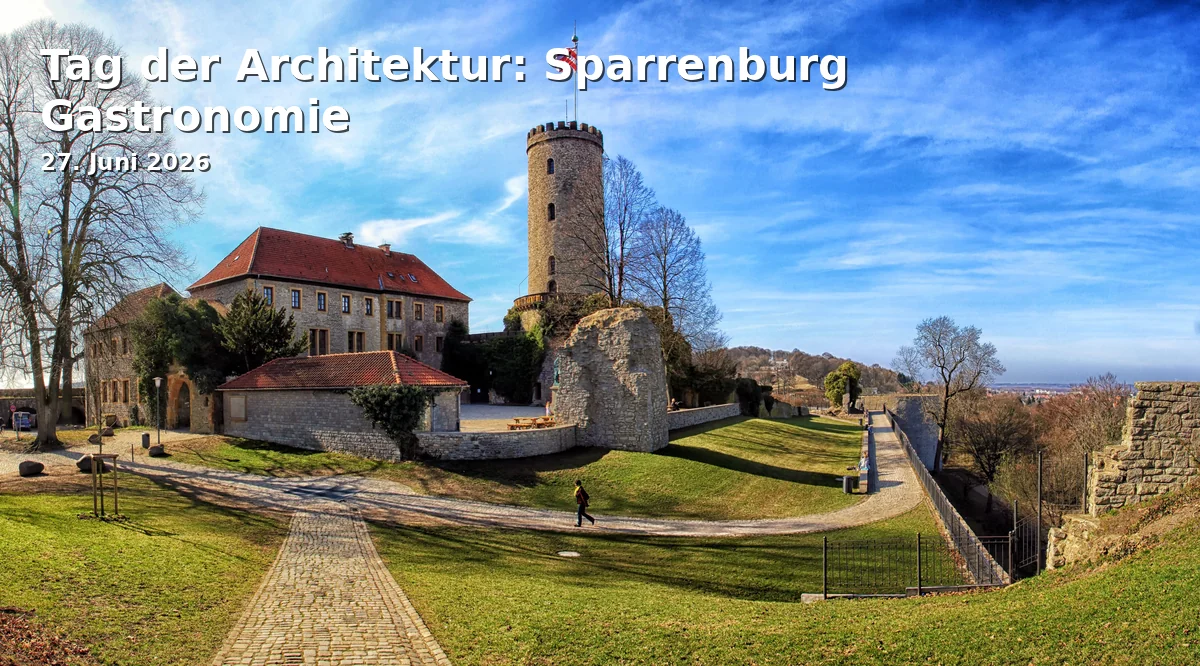
Day of Architecture: Sparrenburg Gastronomy
Discover the renovated gastronomy of the Sparrenburg on the Day of Architecture in Bielefeld.

Wednesdays at the Castle: Kevin Rabemanisa & Band
A free summer evening with Kevin Rabemanisa & Band at the Sparrenburg: soulful pop, support Beatwo, and great live moments over Bielefeld. #Bielefeld
The Teuto Calls! Family Rally between City and Castle
A free adventure for the whole family on July 5, 2026, in Bielefeld. Discoveries and fun from the City to Sparrenburg!
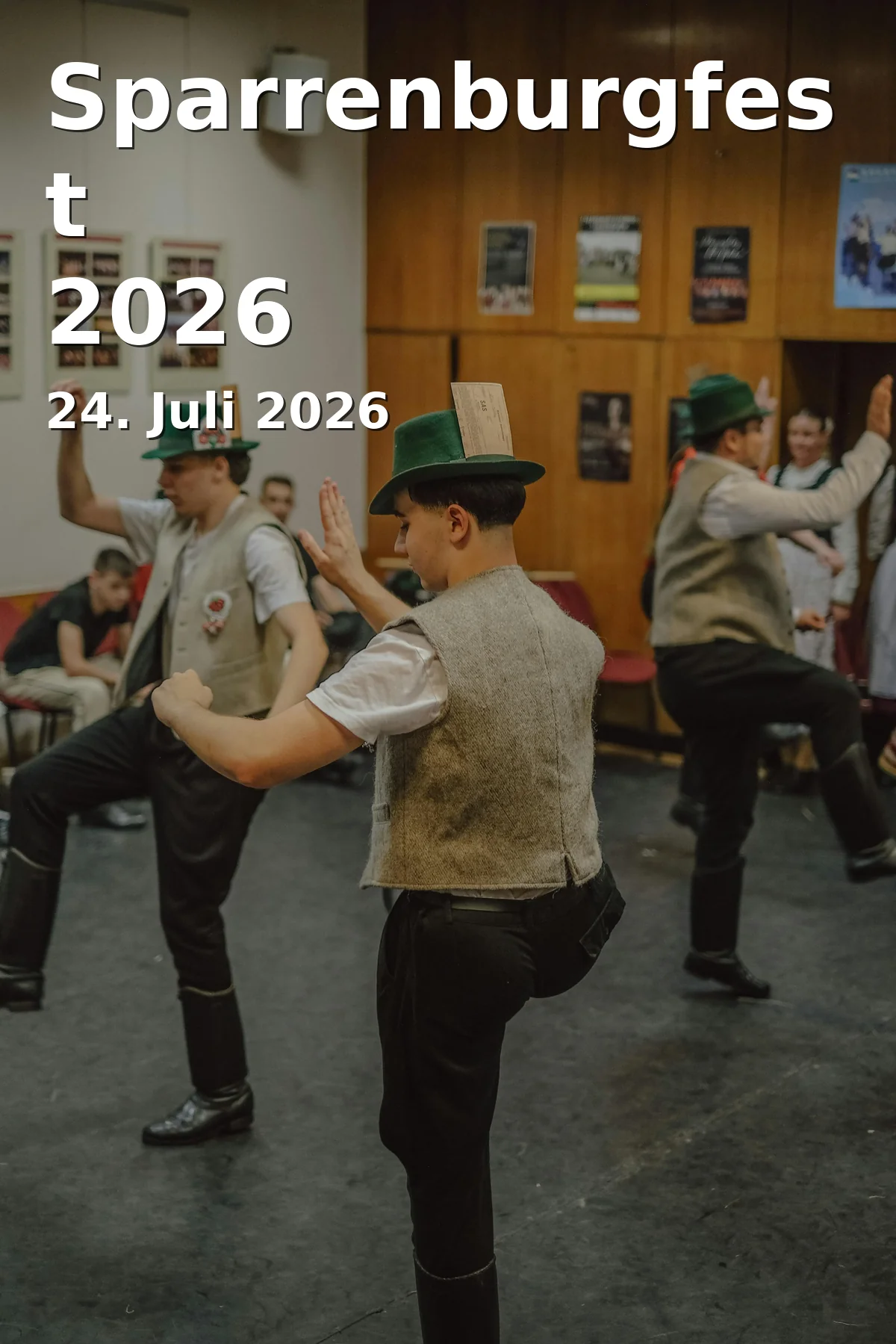
Sparrenburg Festival 2026
Dive into the medieval era at the Sparrenburg Festival 2026 with craftsmanship, music, and juggling in Bielefeld.
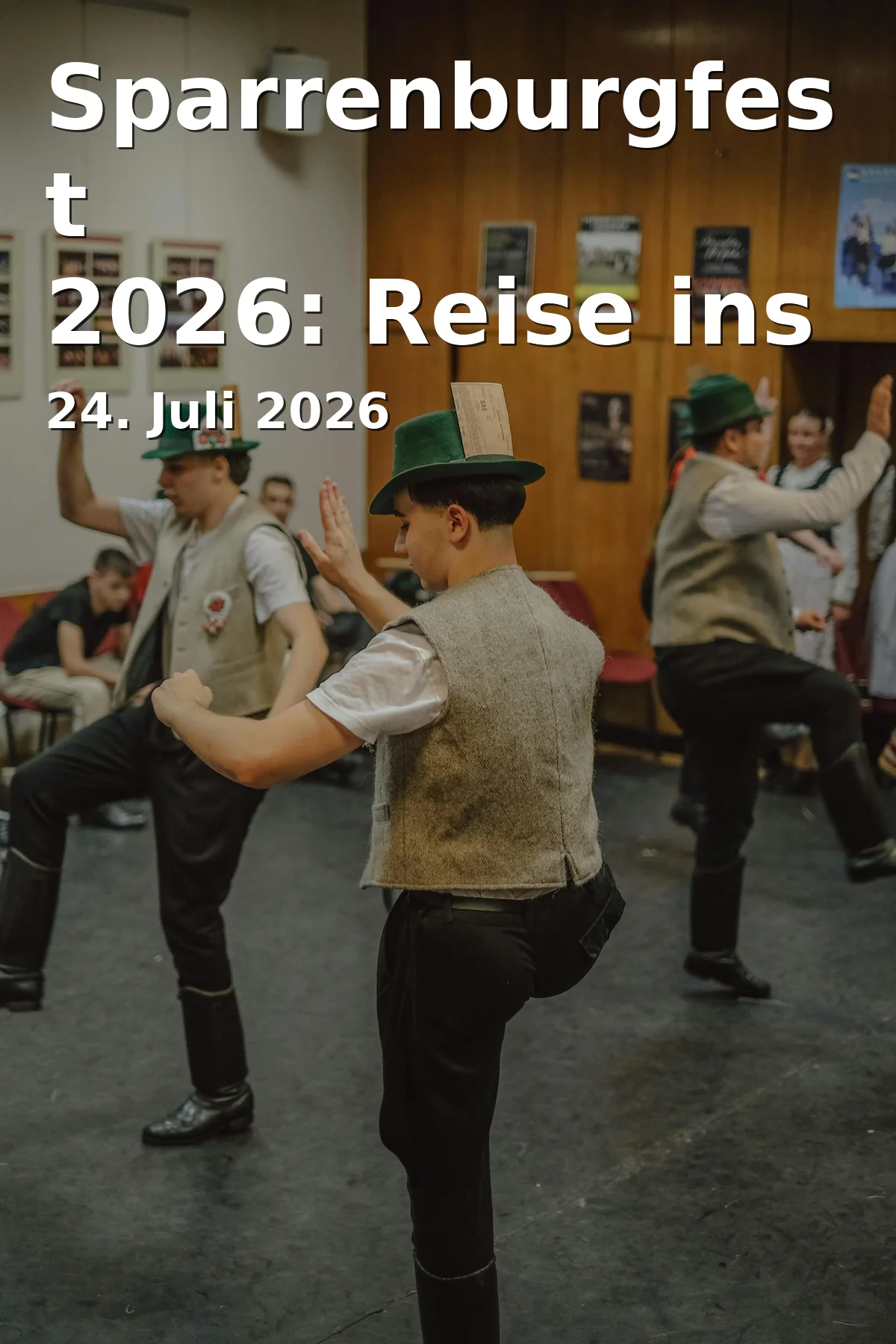
Sparrenburg Festival 2026: Journey to the Middle Ages
Dive into the Middle Ages at the Sparrenburg Festival 2026 in Bielefeld and enjoy a unique program at the Sparrenburg.
Frequently Asked Questions
Reviews
Roja Ghasemi
5. August 2025
One of the best places to visit in Bielefeld! It offers a beautiful view of the town and gives 'Bam-e Tehran' vibes (located in Tehran-Iran). Perfect for a walk, picnic, or just taking in the scenery.
Geoff Poynter
4. September 2025
Castle set in lovely grounds. Great views from the top of the tower, worth paying to go up there. There's a great little cafe too with good coffee.
Thonta Prasad
14. January 2025
It was an unplanned visit to Sparrenberg Castle in Bielefeld, Germany, on our way to Berlin from Amsterdam. We stopped for lunch and got to know about this castle. There wasn't any entry fee nor reception, and parking is ample. The castle wasn't crowded on a Wednesday afternoon. It's a big castle with a great view of the city, very well restored and maintained. The visit to this ancient castle was worth it. There was a restaurant but it seemed to be closed. Irrespective of age, this place is an absolute delight to watch. The lush green lawn adds to the attraction. It was an amazing view and experience, and we loved the place.
Sadori Aslam
31. December 2025
Lovely place, worth a visit. Way to there is a little hike though.
Ny Barber
25. April 2025
Gorgeous castle to come see. It’s not much but it’s the history that’s involved. The views are amazing since it’s on top of a mountain. There is a building that appears that they’re putting in a restaurant but I’m not sure. There’s an info office available for anyone. The only downfall to going there is the problem for tourists with the gps. Not sure if it’s because of signal but it has us going a direction that seemed like a bike path. Other than that, the castle was cool.