
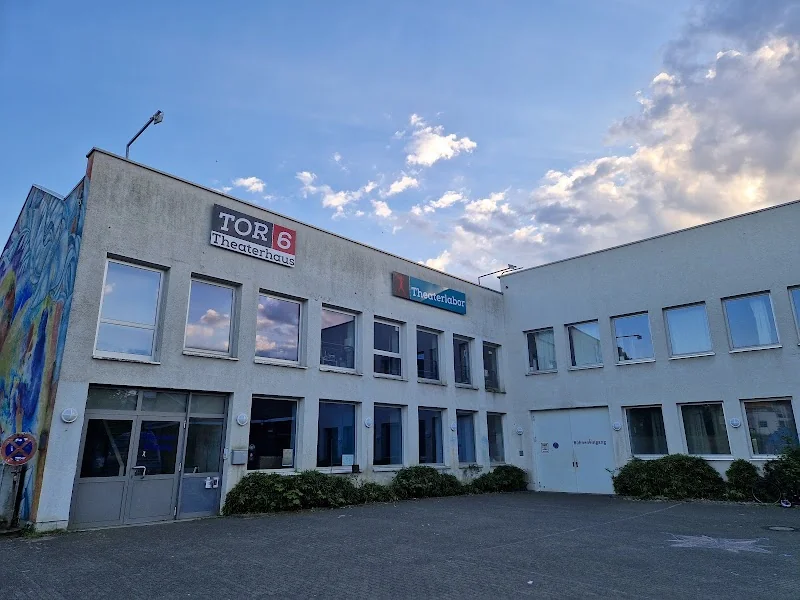
Bielefeld
Hermann-Kleinewächter-Straße 4, 33602 Bielefeld, Deutschland
Theaterlabor Bielefeld at Tor 6 Theaterhaus | Tickets & Program
The Theaterlabor Bielefeld at Tor 6 Theaterhaus is one of the most distinctive independent stages in the city and at the same time a place where culture is not only showcased but continuously rethought. The ensemble works as a free, ensemble-driven theater with a clear focus on experimental, expressive, and boundary-crossing forms. The house is located in a former production hall on the grounds of the former sewing machine manufacturer Dürkopp; since 2000, the team has operated the TOR 6 Theaterhaus there. Its location in the city center of Bielefeld, close to the old town and with good public transport connections, makes the venue an attractive destination for visitors, artists, and organizers alike. At the same time, the house sees itself not just as a stage but as a vibrant cultural place for encounter, exchange, and artistic research. ([theaterlabor.eu](https://theaterlabor.eu/theaterlabor/))
Those looking for Theaterlabor Tor 6 Bielefeld, Theaterlabor Bielefeld e.V., photos, program, tickets, or directions will find a venue with a clear identity and great variety. The Theaterlabor opens its house for local, regional, and national players in the arts and cultural scene and connects its own productions with project work, education, collaborations, and guest events. This results in a program that ranges from experimental theater to contemporary dance to cabaret, concerts, and comedy. For the search intent of users, it is important: This location is not just an address on the map, but a cultural hub where different target groups meet. ([theaterlabor.eu](https://theaterlabor.eu/theaterlabor/))
Program, Tickets, and Current Events at Theaterlabor at Tor 6
The strongest search topic around the Theaterlabor is clearly the program: Many visitors want to know what is currently happening at the Tor 6 Theaterhaus, which plays, festivals, or guest events are taking place, and how they can get tickets. The official website publishes current productions, dates, and archival contributions. It is very clear what the stage stands for: for self-developed works, for theatrical research, and for formats that do not remain in the safe mainstream. The current content ranges from solo performances and ensemble productions to festivals and discursive and performative formats. ([theaterlabor.eu](https://theaterlabor.eu/?utm_source=openai))
This is important for the SEO strategy because the keywords around program, events, and tickets have a high concrete intent. Those searching for this usually want not just general information but quickly a schedule overview, ticket availability, and a classification of the format. This is exactly where the Theaterlabor is strongly positioned: The website regularly lists specific performance dates, titles, and content, for example, for self-productions and special formats. The house sees itself as a place for experimental theater, contemporary dance, and cabaret; thus, it covers a spectrum that appeals to visitors with different interests. Especially in a free theater, this mix of artistic attitude and practical usability is a relevant advantage. ([theaterlabor.eu](https://theaterlabor.eu/theaterlabor/))
The location also offers clear structures when it comes to ticket purchasing. On the official ticket page, tickets are sold through the partner YesTicket; additionally, one can reserve by phone if there are problems with online purchasing. Mentioned are regular price, discount, student rate, and Bielefeld Pass, so that the event practice is socially differentiated. Important for content planning is also that the Theaterlabor explicitly points out that not every guest event has the same rate, but the rules of the organizer apply. For user searches like tickets, box office, advance sales, or prices, these are central answers that can build trust and increase conversion. ([theaterlabor.eu](https://theaterlabor.eu/karten/))
In a broader sense, the program is not limited to classic theater evenings. The Theaterlabor describes its house as a cultural venue with a wide range, and the current program logic includes not only self-productions but also guest events, collaborations, and festivals. Therefore, for the search engine, not only the word program is relevant, but also words like events, repertoire, premiere, festival, and tickets. This breadth should be reflected on a location page so that it captures both informative and transactional search queries. So, when someone searches for Theaterlabor Bielefeld program, they expect not only a list of dates but also an impression of whether the house is more like a classic city theater, an open off-theater, or a multifunctional cultural space. The answer is: clearly off-theater, but technically and organizationally so professionally set up that even diverse special formats work well. ([theaterlabor.eu](https://theaterlabor.eu/theaterlabor/))
Another aspect is the perception as a place with its own artistic signature. The Theaterlabor formulates its goal as contact and describes people as the target group. This is more than a nice formulation: it shows that the house is designed to not only serve the audience but to draw them into processes and questions. For content around programs and events, this is valuable because one can not only name dates but also describe the atmosphere of the house. This creates SEO depth without artificial filler words: experimental theater, free scene, Bielefeld, off-stage, current dates, ticket purchase, festival, and guest performance can be organically connected. ([theaterlabor.eu](https://theaterlabor.eu/theaterlabor/))
Directions, Parking, and Accessible Visits
The second most important topic in the search data is directions. This is typical for event locations, as visitors want to quickly know how to get there before an evening in the city, whether parking is available on-site, and how accessible the entrance is. The Theaterlabor answers these questions very concretely on its directions page: The TOR 6 site is a play street and therefore does not offer regular parking options. At the same time, there are four parking spaces for wheelchair users. Those arriving by public transport are advised to use the tram; lines 4 with the stop Marktstraße and 3 with the stop Dürkopp TOR6 are mentioned, which go almost to the door. ([theaterlabor.eu](https://theaterlabor.eu/kontakt/anfahrt-parken/))
For drivers, there is a clear recommendation: the parking garage at the town hall in Brunnenstraße 4, from which the Theaterlabor can be reached in about five minutes on foot. This information is SEO-relevant because search queries for parking, parking garage, directions, or parking space usually have concrete intent. Especially near the city center, an honest note about the lack of parking is more important than a vague promotional sentence. Visitors can realistically plan their arrival, which reduces stress before the event begins. This transparency is also crucial for families, older guests, and people with assistance needs. ([theaterlabor.eu](https://theaterlabor.eu/kontakt/anfahrt-parken/))
Accessibility also plays a visible role at the Tor 6 Theaterhaus. The publicly accessible areas of the house are completely barrier-free, and those with special needs are advised to announce their visit in advance so that a suitable seat can be reserved. This is a relevant feature for search terms like accessible, wheelchair, accessibility, and inclusive location. In combination with the available wheelchair spaces and the note on reservable seats, it becomes clear that the Theaterlabor takes visitor situations seriously and does not just mention formal accessibility standards. ([theaterlabor.eu](https://theaterlabor.eu/kontakt/anfahrt-parken/))
The central location also positively affects the infrastructure around the visit. The Theaterlabor describes the proximity to the old town and the good connection to public transport. In addition, there are gastronomic offers, nearby hotels, and shopping opportunities in the vicinity. For an SEO content page, this is valuable because users often search for a combination of events, dining, overnight stays, and arrival. Therefore, those planning an evening at the Theaterlabor can structure not only the performance but also the entire city visit. In practice, this leads to longer stays, better planning, and more satisfaction. ([theaterlabor.eu](https://theaterlabor.eu/theaterlabor/))
A good text for this search intent should clearly name the ways: tram instead of parking search, town hall parking garage as an alternative, wheelchair spaces on request, and barrier-free access in publicly accessible areas. Such precise hints increase the usability of the page and immediately answer the most common local questions. This is particularly important because search queries related to directions and parking are often made at short notice, often directly on the day of the event. The less uncertainty remains, the better the page functions as a service and conversion element. ([theaterlabor.eu](https://theaterlabor.eu/kontakt/anfahrt-parken/))
Hall, Studio 1, and Seating: Room Capacity and Flexible Use
The topic of capacity is central for an event location. At the Theaterlabor at Tor 6 Theaterhaus, the most important number is the hall: with standard seating, 265 seats are available, and upon request, it can be arranged for up to 380 seats. The stage area of the hall is approximately 18 by 11 meters, and the floor is a wooden floor covered with dance carpet. The house is particularly suitable for medium-sized theater productions, dance evenings, cabaret, and theatrical concerts. This information is enormously helpful for users, as they can quickly assess whether the location fits their event or planned visit. ([theaterlabor.eu](https://theaterlabor.eu/theaterlabor/vermietung/))
Spatial logic is also important: The Theaterlabor describes the stage as an arena stage, which allows all viewers a good view. This is a real selling point, as sightlines in many venues are a critical point. Additionally, there is flexibility in the rooms. Besides the hall, Studio 1, Studio 2, and the foyer are available. Studio 1 is mainly used as a rehearsal room but is also suitable as a small stage for productions on a stage area of about 7 by 7 meters with up to 70 people. The room has a bright wooden floor, usually laid with dance floor, making it particularly interesting for smaller pieces, workshops, and rehearsals. ([kulturamt-bielefeld.de](https://kulturamt-bielefeld.de/kultur-service/raeumlichkeiten/tor-6-studio-1/))
Studio 2 serves as a rehearsal room with an area of about 8 by 8 meters and thus complements the production and usage possibilities of the house. The foyer, in turn, is not only a waiting area but is also described as a venue for lectures, concerts, cabaret, and readings. This multiple use is a strong location feature and explains why the Theaterlabor can be perceived not only as a stage but also as a production and meeting place. For search queries related to seating plan, hall, seats, rehearsal room, or room rental, the house thus provides more than just a simple audience capacity: it shows a modular room concept with clear usage scenarios. ([theaterlabor.eu](https://theaterlabor.eu/theaterlabor/vermietung/))
On the verified pages, no separately published public seating plan is mentioned as a fixed PDF or image. Instead, the Theaterlabor provides specific room data, flexible seating arrangements, and various usage types. For SEO practice, this is an important difference: people searching for seating plans usually want to know whether they will get a good seat, how the room is set up, and whether there are special sightlines. The official language addresses this more through the arena stage and the capacity information. It can be concluded that the stage is designed so that the view for the audience is generally good, without a rigid seating plan being in the foreground. ([theaterlabor.eu](https://theaterlabor.eu/theaterlabor/))
Particularly interesting is the additional space in front of the house. The Theaterlabor mentions an approximately 400 square meter square in front of the building, which can also be used as an open-air performance area. This significantly expands the range of use, as artistic performances can also take place in outdoor situations in addition to the indoor space. This is a strong plus for events, summer formats, or performative actions. In the search intent around capacity, space, and equipment, not only the hall is relevant but the entire spatial ecosystem of hall, studios, foyer, workshops, storage, outdoor area, and technical basic equipment. ([theaterlabor.eu](https://theaterlabor.eu/theaterlabor/))
The technical equipment is described by the house as sufficient, which is an important indication for free productions and guest formats. Those looking for a location for theater, dance, or concerts want not only seating but also reliable infrastructure. The Theaterlabor meets this demand because it is flexible enough for artistic processes and at the same time provides solid key data. For the content strategy, this means: words like seating plan, seats, capacity, Studio 1, stage, foyer, room rental, and equipment should prominently appear on a location page. ([theaterlabor.eu](https://theaterlabor.eu/theaterlabor/))
History of the Theaterlabor and its Artistic Profile
The history of the Theaterlabor is closely linked to the independent scene in Bielefeld. According to the available official information, the Theaterlabor was founded in 1983. For more than four decades, the ensemble has developed productions, festivals, and projects that consciously break away from conventional patterns. Early impulses came from body work and influences from Jerzy Grotowski, Eugenio Barba, the Commedia dell Arte, and Asian dance forms. This origin is not only a biographical backdrop but continues to shape the artistic self-understanding: theater here emerges as research, as a process, and as a negotiation of various means of expression. ([theaterlabor.eu](https://theaterlabor.eu/wp-content/uploads/2023/03/JUSTLAB_Strategy-of-implementation-of-methodologies-handbook.pdf?utm_source=openai))
At the center is the idea that body, voice, text, narrative, visual design, music, and technology are equal dimensions of theater. This is interesting for search engines and visitors alike because it clearly distinguishes the profile of the house from a pure repertoire operation. The Theaterlabor works with self-commissioned themes and develops its own theatrical language for each production. This creates a wide stylistic range: solo performances, ensemble works, projects in the digital space, site-specific works, and educational formats all belong to the same institutional self-understanding. ([theaterlabor.eu](https://theaterlabor.eu/theaterlabor/))
The Theaterlabor states on its website that it has realized groundbreaking productions, festivals, and projects in its over 40-year history. At the same time, the house emphasizes the simultaneity of generations: founding generation, second, third, and in the future fourth generation work together here. This shows that it is not a historical museum of the independent scene but a living place of development. For users seeking background, history, or special features, this is the central point: The Theaterlabor is both tradition and laboratory, both memory and present. ([theaterlabor.eu](https://theaterlabor.eu/theaterlabor/))
Since 2000, the team has been at home in the TOR 6 Theaterhaus. The building itself is the former production hall on the factory site of the Dürkopp area. This industrial past is still visible in the current usage profile and is artistically productively utilized. The house is not only its own venue but also a cultural event location for various local actors such as Theater Bielefeld, Kulturamt Bielefeld, NewTone, and Ratsgymnasium. Thus, Tor 6 is not an isolated space but an open house within a larger cultural network. This makes the location particularly interesting for collaborations, guest formats, and projects. ([theaterlabor.eu](https://theaterlabor.eu/theaterlabor/))
Another aspect of the history is the international and networked perspective. The Theaterlabor actively seeks exchange with theater makers and artists of all kinds and works in various fields such as artistic productions, project work, education, community work, as well as flausen+ / festivals, collaborations, and residencies. These fields of work show that the house not only produces performances but also enables processes, encounters, and development. For an SEO page, this is relevant because terms like independent scene, ensemble, production, festival, residency, collaboration, and education arise organically from this. ([theaterlabor.eu](https://theaterlabor.eu/theaterlabor/))
The language of the house is also remarkable: The Theaterlabor emphasizes contact as a goal and people as the target group. This attitude is more than a slogan, as it explains why the house is so often described as experimental, open, and at the same time accessible. Those searching for Theaterlabor Bielefeld history, Theaterlabor Bielefeld e.V., or Theaterlabor Tor 6 usually want to understand this connection: Where does this place come from, what makes it special, and why does it have such a firm cultural place in Bielefeld? The answer lies in the connection of historical development, artistic research, and a clear, community-oriented working principle. ([theaterlabor.eu](https://theaterlabor.eu/theaterlabor/))
Photos, Foyer, and the Special Atmosphere of the TOR 6 Theaterhaus
For search queries related to photos, the Theaterlabor is also interesting because image areas and galleries are visible on the official pages. The room page of the TOR 6 Theaterhaus at the cultural office explicitly refers to an image gallery, and the pages of the Theaterlabor itself also work with visual material related to rooms, projects, and productions. This is relevant for users who want to get an impression before a visit or check the location for an event. Visuals at a stage address are not just decorative but part of the decision-making basis. ([kulturamt-bielefeld.de](https://kulturamt-bielefeld.de/kultur-service/raeumlichkeiten/tor-6-studio-1/))
The atmosphere of the house is strongly shaped by its architecture. The former production hall conveys an industrial character, which, in combination with the arena stage and the flexibly usable rooms, creates a special mix of openness and intimacy. The Theaterlabor itself describes that the indeterminacy of the corridors, niches, and rooms is an essential part of the house because these areas can be newly played and discovered. This makes the location attractive not only for classic performances but also for performative, installative, and space-related formats. ([theaterlabor.eu](https://theaterlabor.eu/theaterlabor/))
The image of the house also includes the foyer with a gastro area and cabaret stage. This makes the arrival area an active part of the event and not just a functional passage. For visitors, this can mean: arriving, drinking, meeting, discussing, waiting, photographing, immersing. The photos found on the pages therefore convey not only the stage but also the feeling of a house that is alive in several places. This is particularly important for event venues because images often convey more quickly than text whether a space feels open, warm, urban, technical, or atmospheric. ([theaterlabor.eu](https://theaterlabor.eu/theaterlabor/))
Another visual advantage is the outdoor space in front of the house. The approximately 400 square meter square can be used as an open-air performance area and expands the perception of the place beyond the indoor space. Those searching for Tor 6 Theaterhaus photos will not only encounter indoor views but also an ensemble of facade, foyer, hall character, stage space, and outdoor area. For the content quality of a location page, this is a strong motif, as images help to quickly grasp the special features of this place. ([theaterlabor.eu](https://theaterlabor.eu/theaterlabor/))
In summary, the Theaterlabor at Tor 6 is a house that can be well told both photographically and artistically: industrial origin, independent scene, flexible spaces, open atmosphere, clear accessibility, and a program with an experimental signature. That is why it is worthwhile in search engine optimization not only to focus on hard facts but also to consider the visual and atmospheric level. For users who want to see photos, for visitors who want to understand the place, and for organizers looking for a suitable venue, the Tor 6 Theaterhaus provides a credible and versatile image. ([theaterlabor.eu](https://theaterlabor.eu/theaterlabor/))
Sources:
Show moreShow less
Theaterlabor Bielefeld at Tor 6 Theaterhaus | Tickets & Program
The Theaterlabor Bielefeld at Tor 6 Theaterhaus is one of the most distinctive independent stages in the city and at the same time a place where culture is not only showcased but continuously rethought. The ensemble works as a free, ensemble-driven theater with a clear focus on experimental, expressive, and boundary-crossing forms. The house is located in a former production hall on the grounds of the former sewing machine manufacturer Dürkopp; since 2000, the team has operated the TOR 6 Theaterhaus there. Its location in the city center of Bielefeld, close to the old town and with good public transport connections, makes the venue an attractive destination for visitors, artists, and organizers alike. At the same time, the house sees itself not just as a stage but as a vibrant cultural place for encounter, exchange, and artistic research. ([theaterlabor.eu](https://theaterlabor.eu/theaterlabor/))
Those looking for Theaterlabor Tor 6 Bielefeld, Theaterlabor Bielefeld e.V., photos, program, tickets, or directions will find a venue with a clear identity and great variety. The Theaterlabor opens its house for local, regional, and national players in the arts and cultural scene and connects its own productions with project work, education, collaborations, and guest events. This results in a program that ranges from experimental theater to contemporary dance to cabaret, concerts, and comedy. For the search intent of users, it is important: This location is not just an address on the map, but a cultural hub where different target groups meet. ([theaterlabor.eu](https://theaterlabor.eu/theaterlabor/))
Program, Tickets, and Current Events at Theaterlabor at Tor 6
The strongest search topic around the Theaterlabor is clearly the program: Many visitors want to know what is currently happening at the Tor 6 Theaterhaus, which plays, festivals, or guest events are taking place, and how they can get tickets. The official website publishes current productions, dates, and archival contributions. It is very clear what the stage stands for: for self-developed works, for theatrical research, and for formats that do not remain in the safe mainstream. The current content ranges from solo performances and ensemble productions to festivals and discursive and performative formats. ([theaterlabor.eu](https://theaterlabor.eu/?utm_source=openai))
This is important for the SEO strategy because the keywords around program, events, and tickets have a high concrete intent. Those searching for this usually want not just general information but quickly a schedule overview, ticket availability, and a classification of the format. This is exactly where the Theaterlabor is strongly positioned: The website regularly lists specific performance dates, titles, and content, for example, for self-productions and special formats. The house sees itself as a place for experimental theater, contemporary dance, and cabaret; thus, it covers a spectrum that appeals to visitors with different interests. Especially in a free theater, this mix of artistic attitude and practical usability is a relevant advantage. ([theaterlabor.eu](https://theaterlabor.eu/theaterlabor/))
The location also offers clear structures when it comes to ticket purchasing. On the official ticket page, tickets are sold through the partner YesTicket; additionally, one can reserve by phone if there are problems with online purchasing. Mentioned are regular price, discount, student rate, and Bielefeld Pass, so that the event practice is socially differentiated. Important for content planning is also that the Theaterlabor explicitly points out that not every guest event has the same rate, but the rules of the organizer apply. For user searches like tickets, box office, advance sales, or prices, these are central answers that can build trust and increase conversion. ([theaterlabor.eu](https://theaterlabor.eu/karten/))
In a broader sense, the program is not limited to classic theater evenings. The Theaterlabor describes its house as a cultural venue with a wide range, and the current program logic includes not only self-productions but also guest events, collaborations, and festivals. Therefore, for the search engine, not only the word program is relevant, but also words like events, repertoire, premiere, festival, and tickets. This breadth should be reflected on a location page so that it captures both informative and transactional search queries. So, when someone searches for Theaterlabor Bielefeld program, they expect not only a list of dates but also an impression of whether the house is more like a classic city theater, an open off-theater, or a multifunctional cultural space. The answer is: clearly off-theater, but technically and organizationally so professionally set up that even diverse special formats work well. ([theaterlabor.eu](https://theaterlabor.eu/theaterlabor/))
Another aspect is the perception as a place with its own artistic signature. The Theaterlabor formulates its goal as contact and describes people as the target group. This is more than a nice formulation: it shows that the house is designed to not only serve the audience but to draw them into processes and questions. For content around programs and events, this is valuable because one can not only name dates but also describe the atmosphere of the house. This creates SEO depth without artificial filler words: experimental theater, free scene, Bielefeld, off-stage, current dates, ticket purchase, festival, and guest performance can be organically connected. ([theaterlabor.eu](https://theaterlabor.eu/theaterlabor/))
Directions, Parking, and Accessible Visits
The second most important topic in the search data is directions. This is typical for event locations, as visitors want to quickly know how to get there before an evening in the city, whether parking is available on-site, and how accessible the entrance is. The Theaterlabor answers these questions very concretely on its directions page: The TOR 6 site is a play street and therefore does not offer regular parking options. At the same time, there are four parking spaces for wheelchair users. Those arriving by public transport are advised to use the tram; lines 4 with the stop Marktstraße and 3 with the stop Dürkopp TOR6 are mentioned, which go almost to the door. ([theaterlabor.eu](https://theaterlabor.eu/kontakt/anfahrt-parken/))
For drivers, there is a clear recommendation: the parking garage at the town hall in Brunnenstraße 4, from which the Theaterlabor can be reached in about five minutes on foot. This information is SEO-relevant because search queries for parking, parking garage, directions, or parking space usually have concrete intent. Especially near the city center, an honest note about the lack of parking is more important than a vague promotional sentence. Visitors can realistically plan their arrival, which reduces stress before the event begins. This transparency is also crucial for families, older guests, and people with assistance needs. ([theaterlabor.eu](https://theaterlabor.eu/kontakt/anfahrt-parken/))
Accessibility also plays a visible role at the Tor 6 Theaterhaus. The publicly accessible areas of the house are completely barrier-free, and those with special needs are advised to announce their visit in advance so that a suitable seat can be reserved. This is a relevant feature for search terms like accessible, wheelchair, accessibility, and inclusive location. In combination with the available wheelchair spaces and the note on reservable seats, it becomes clear that the Theaterlabor takes visitor situations seriously and does not just mention formal accessibility standards. ([theaterlabor.eu](https://theaterlabor.eu/kontakt/anfahrt-parken/))
The central location also positively affects the infrastructure around the visit. The Theaterlabor describes the proximity to the old town and the good connection to public transport. In addition, there are gastronomic offers, nearby hotels, and shopping opportunities in the vicinity. For an SEO content page, this is valuable because users often search for a combination of events, dining, overnight stays, and arrival. Therefore, those planning an evening at the Theaterlabor can structure not only the performance but also the entire city visit. In practice, this leads to longer stays, better planning, and more satisfaction. ([theaterlabor.eu](https://theaterlabor.eu/theaterlabor/))
A good text for this search intent should clearly name the ways: tram instead of parking search, town hall parking garage as an alternative, wheelchair spaces on request, and barrier-free access in publicly accessible areas. Such precise hints increase the usability of the page and immediately answer the most common local questions. This is particularly important because search queries related to directions and parking are often made at short notice, often directly on the day of the event. The less uncertainty remains, the better the page functions as a service and conversion element. ([theaterlabor.eu](https://theaterlabor.eu/kontakt/anfahrt-parken/))
Hall, Studio 1, and Seating: Room Capacity and Flexible Use
The topic of capacity is central for an event location. At the Theaterlabor at Tor 6 Theaterhaus, the most important number is the hall: with standard seating, 265 seats are available, and upon request, it can be arranged for up to 380 seats. The stage area of the hall is approximately 18 by 11 meters, and the floor is a wooden floor covered with dance carpet. The house is particularly suitable for medium-sized theater productions, dance evenings, cabaret, and theatrical concerts. This information is enormously helpful for users, as they can quickly assess whether the location fits their event or planned visit. ([theaterlabor.eu](https://theaterlabor.eu/theaterlabor/vermietung/))
Spatial logic is also important: The Theaterlabor describes the stage as an arena stage, which allows all viewers a good view. This is a real selling point, as sightlines in many venues are a critical point. Additionally, there is flexibility in the rooms. Besides the hall, Studio 1, Studio 2, and the foyer are available. Studio 1 is mainly used as a rehearsal room but is also suitable as a small stage for productions on a stage area of about 7 by 7 meters with up to 70 people. The room has a bright wooden floor, usually laid with dance floor, making it particularly interesting for smaller pieces, workshops, and rehearsals. ([kulturamt-bielefeld.de](https://kulturamt-bielefeld.de/kultur-service/raeumlichkeiten/tor-6-studio-1/))
Studio 2 serves as a rehearsal room with an area of about 8 by 8 meters and thus complements the production and usage possibilities of the house. The foyer, in turn, is not only a waiting area but is also described as a venue for lectures, concerts, cabaret, and readings. This multiple use is a strong location feature and explains why the Theaterlabor can be perceived not only as a stage but also as a production and meeting place. For search queries related to seating plan, hall, seats, rehearsal room, or room rental, the house thus provides more than just a simple audience capacity: it shows a modular room concept with clear usage scenarios. ([theaterlabor.eu](https://theaterlabor.eu/theaterlabor/vermietung/))
On the verified pages, no separately published public seating plan is mentioned as a fixed PDF or image. Instead, the Theaterlabor provides specific room data, flexible seating arrangements, and various usage types. For SEO practice, this is an important difference: people searching for seating plans usually want to know whether they will get a good seat, how the room is set up, and whether there are special sightlines. The official language addresses this more through the arena stage and the capacity information. It can be concluded that the stage is designed so that the view for the audience is generally good, without a rigid seating plan being in the foreground. ([theaterlabor.eu](https://theaterlabor.eu/theaterlabor/))
Particularly interesting is the additional space in front of the house. The Theaterlabor mentions an approximately 400 square meter square in front of the building, which can also be used as an open-air performance area. This significantly expands the range of use, as artistic performances can also take place in outdoor situations in addition to the indoor space. This is a strong plus for events, summer formats, or performative actions. In the search intent around capacity, space, and equipment, not only the hall is relevant but the entire spatial ecosystem of hall, studios, foyer, workshops, storage, outdoor area, and technical basic equipment. ([theaterlabor.eu](https://theaterlabor.eu/theaterlabor/))
The technical equipment is described by the house as sufficient, which is an important indication for free productions and guest formats. Those looking for a location for theater, dance, or concerts want not only seating but also reliable infrastructure. The Theaterlabor meets this demand because it is flexible enough for artistic processes and at the same time provides solid key data. For the content strategy, this means: words like seating plan, seats, capacity, Studio 1, stage, foyer, room rental, and equipment should prominently appear on a location page. ([theaterlabor.eu](https://theaterlabor.eu/theaterlabor/))
History of the Theaterlabor and its Artistic Profile
The history of the Theaterlabor is closely linked to the independent scene in Bielefeld. According to the available official information, the Theaterlabor was founded in 1983. For more than four decades, the ensemble has developed productions, festivals, and projects that consciously break away from conventional patterns. Early impulses came from body work and influences from Jerzy Grotowski, Eugenio Barba, the Commedia dell Arte, and Asian dance forms. This origin is not only a biographical backdrop but continues to shape the artistic self-understanding: theater here emerges as research, as a process, and as a negotiation of various means of expression. ([theaterlabor.eu](https://theaterlabor.eu/wp-content/uploads/2023/03/JUSTLAB_Strategy-of-implementation-of-methodologies-handbook.pdf?utm_source=openai))
At the center is the idea that body, voice, text, narrative, visual design, music, and technology are equal dimensions of theater. This is interesting for search engines and visitors alike because it clearly distinguishes the profile of the house from a pure repertoire operation. The Theaterlabor works with self-commissioned themes and develops its own theatrical language for each production. This creates a wide stylistic range: solo performances, ensemble works, projects in the digital space, site-specific works, and educational formats all belong to the same institutional self-understanding. ([theaterlabor.eu](https://theaterlabor.eu/theaterlabor/))
The Theaterlabor states on its website that it has realized groundbreaking productions, festivals, and projects in its over 40-year history. At the same time, the house emphasizes the simultaneity of generations: founding generation, second, third, and in the future fourth generation work together here. This shows that it is not a historical museum of the independent scene but a living place of development. For users seeking background, history, or special features, this is the central point: The Theaterlabor is both tradition and laboratory, both memory and present. ([theaterlabor.eu](https://theaterlabor.eu/theaterlabor/))
Since 2000, the team has been at home in the TOR 6 Theaterhaus. The building itself is the former production hall on the factory site of the Dürkopp area. This industrial past is still visible in the current usage profile and is artistically productively utilized. The house is not only its own venue but also a cultural event location for various local actors such as Theater Bielefeld, Kulturamt Bielefeld, NewTone, and Ratsgymnasium. Thus, Tor 6 is not an isolated space but an open house within a larger cultural network. This makes the location particularly interesting for collaborations, guest formats, and projects. ([theaterlabor.eu](https://theaterlabor.eu/theaterlabor/))
Another aspect of the history is the international and networked perspective. The Theaterlabor actively seeks exchange with theater makers and artists of all kinds and works in various fields such as artistic productions, project work, education, community work, as well as flausen+ / festivals, collaborations, and residencies. These fields of work show that the house not only produces performances but also enables processes, encounters, and development. For an SEO page, this is relevant because terms like independent scene, ensemble, production, festival, residency, collaboration, and education arise organically from this. ([theaterlabor.eu](https://theaterlabor.eu/theaterlabor/))
The language of the house is also remarkable: The Theaterlabor emphasizes contact as a goal and people as the target group. This attitude is more than a slogan, as it explains why the house is so often described as experimental, open, and at the same time accessible. Those searching for Theaterlabor Bielefeld history, Theaterlabor Bielefeld e.V., or Theaterlabor Tor 6 usually want to understand this connection: Where does this place come from, what makes it special, and why does it have such a firm cultural place in Bielefeld? The answer lies in the connection of historical development, artistic research, and a clear, community-oriented working principle. ([theaterlabor.eu](https://theaterlabor.eu/theaterlabor/))
Photos, Foyer, and the Special Atmosphere of the TOR 6 Theaterhaus
For search queries related to photos, the Theaterlabor is also interesting because image areas and galleries are visible on the official pages. The room page of the TOR 6 Theaterhaus at the cultural office explicitly refers to an image gallery, and the pages of the Theaterlabor itself also work with visual material related to rooms, projects, and productions. This is relevant for users who want to get an impression before a visit or check the location for an event. Visuals at a stage address are not just decorative but part of the decision-making basis. ([kulturamt-bielefeld.de](https://kulturamt-bielefeld.de/kultur-service/raeumlichkeiten/tor-6-studio-1/))
The atmosphere of the house is strongly shaped by its architecture. The former production hall conveys an industrial character, which, in combination with the arena stage and the flexibly usable rooms, creates a special mix of openness and intimacy. The Theaterlabor itself describes that the indeterminacy of the corridors, niches, and rooms is an essential part of the house because these areas can be newly played and discovered. This makes the location attractive not only for classic performances but also for performative, installative, and space-related formats. ([theaterlabor.eu](https://theaterlabor.eu/theaterlabor/))
The image of the house also includes the foyer with a gastro area and cabaret stage. This makes the arrival area an active part of the event and not just a functional passage. For visitors, this can mean: arriving, drinking, meeting, discussing, waiting, photographing, immersing. The photos found on the pages therefore convey not only the stage but also the feeling of a house that is alive in several places. This is particularly important for event venues because images often convey more quickly than text whether a space feels open, warm, urban, technical, or atmospheric. ([theaterlabor.eu](https://theaterlabor.eu/theaterlabor/))
Another visual advantage is the outdoor space in front of the house. The approximately 400 square meter square can be used as an open-air performance area and expands the perception of the place beyond the indoor space. Those searching for Tor 6 Theaterhaus photos will not only encounter indoor views but also an ensemble of facade, foyer, hall character, stage space, and outdoor area. For the content quality of a location page, this is a strong motif, as images help to quickly grasp the special features of this place. ([theaterlabor.eu](https://theaterlabor.eu/theaterlabor/))
In summary, the Theaterlabor at Tor 6 is a house that can be well told both photographically and artistically: industrial origin, independent scene, flexible spaces, open atmosphere, clear accessibility, and a program with an experimental signature. That is why it is worthwhile in search engine optimization not only to focus on hard facts but also to consider the visual and atmospheric level. For users who want to see photos, for visitors who want to understand the place, and for organizers looking for a suitable venue, the Tor 6 Theaterhaus provides a credible and versatile image. ([theaterlabor.eu](https://theaterlabor.eu/theaterlabor/))
Sources:
Theaterlabor Bielefeld at Tor 6 Theaterhaus | Tickets & Program
The Theaterlabor Bielefeld at Tor 6 Theaterhaus is one of the most distinctive independent stages in the city and at the same time a place where culture is not only showcased but continuously rethought. The ensemble works as a free, ensemble-driven theater with a clear focus on experimental, expressive, and boundary-crossing forms. The house is located in a former production hall on the grounds of the former sewing machine manufacturer Dürkopp; since 2000, the team has operated the TOR 6 Theaterhaus there. Its location in the city center of Bielefeld, close to the old town and with good public transport connections, makes the venue an attractive destination for visitors, artists, and organizers alike. At the same time, the house sees itself not just as a stage but as a vibrant cultural place for encounter, exchange, and artistic research. ([theaterlabor.eu](https://theaterlabor.eu/theaterlabor/))
Those looking for Theaterlabor Tor 6 Bielefeld, Theaterlabor Bielefeld e.V., photos, program, tickets, or directions will find a venue with a clear identity and great variety. The Theaterlabor opens its house for local, regional, and national players in the arts and cultural scene and connects its own productions with project work, education, collaborations, and guest events. This results in a program that ranges from experimental theater to contemporary dance to cabaret, concerts, and comedy. For the search intent of users, it is important: This location is not just an address on the map, but a cultural hub where different target groups meet. ([theaterlabor.eu](https://theaterlabor.eu/theaterlabor/))
Program, Tickets, and Current Events at Theaterlabor at Tor 6
The strongest search topic around the Theaterlabor is clearly the program: Many visitors want to know what is currently happening at the Tor 6 Theaterhaus, which plays, festivals, or guest events are taking place, and how they can get tickets. The official website publishes current productions, dates, and archival contributions. It is very clear what the stage stands for: for self-developed works, for theatrical research, and for formats that do not remain in the safe mainstream. The current content ranges from solo performances and ensemble productions to festivals and discursive and performative formats. ([theaterlabor.eu](https://theaterlabor.eu/?utm_source=openai))
This is important for the SEO strategy because the keywords around program, events, and tickets have a high concrete intent. Those searching for this usually want not just general information but quickly a schedule overview, ticket availability, and a classification of the format. This is exactly where the Theaterlabor is strongly positioned: The website regularly lists specific performance dates, titles, and content, for example, for self-productions and special formats. The house sees itself as a place for experimental theater, contemporary dance, and cabaret; thus, it covers a spectrum that appeals to visitors with different interests. Especially in a free theater, this mix of artistic attitude and practical usability is a relevant advantage. ([theaterlabor.eu](https://theaterlabor.eu/theaterlabor/))
The location also offers clear structures when it comes to ticket purchasing. On the official ticket page, tickets are sold through the partner YesTicket; additionally, one can reserve by phone if there are problems with online purchasing. Mentioned are regular price, discount, student rate, and Bielefeld Pass, so that the event practice is socially differentiated. Important for content planning is also that the Theaterlabor explicitly points out that not every guest event has the same rate, but the rules of the organizer apply. For user searches like tickets, box office, advance sales, or prices, these are central answers that can build trust and increase conversion. ([theaterlabor.eu](https://theaterlabor.eu/karten/))
In a broader sense, the program is not limited to classic theater evenings. The Theaterlabor describes its house as a cultural venue with a wide range, and the current program logic includes not only self-productions but also guest events, collaborations, and festivals. Therefore, for the search engine, not only the word program is relevant, but also words like events, repertoire, premiere, festival, and tickets. This breadth should be reflected on a location page so that it captures both informative and transactional search queries. So, when someone searches for Theaterlabor Bielefeld program, they expect not only a list of dates but also an impression of whether the house is more like a classic city theater, an open off-theater, or a multifunctional cultural space. The answer is: clearly off-theater, but technically and organizationally so professionally set up that even diverse special formats work well. ([theaterlabor.eu](https://theaterlabor.eu/theaterlabor/))
Another aspect is the perception as a place with its own artistic signature. The Theaterlabor formulates its goal as contact and describes people as the target group. This is more than a nice formulation: it shows that the house is designed to not only serve the audience but to draw them into processes and questions. For content around programs and events, this is valuable because one can not only name dates but also describe the atmosphere of the house. This creates SEO depth without artificial filler words: experimental theater, free scene, Bielefeld, off-stage, current dates, ticket purchase, festival, and guest performance can be organically connected. ([theaterlabor.eu](https://theaterlabor.eu/theaterlabor/))
Directions, Parking, and Accessible Visits
The second most important topic in the search data is directions. This is typical for event locations, as visitors want to quickly know how to get there before an evening in the city, whether parking is available on-site, and how accessible the entrance is. The Theaterlabor answers these questions very concretely on its directions page: The TOR 6 site is a play street and therefore does not offer regular parking options. At the same time, there are four parking spaces for wheelchair users. Those arriving by public transport are advised to use the tram; lines 4 with the stop Marktstraße and 3 with the stop Dürkopp TOR6 are mentioned, which go almost to the door. ([theaterlabor.eu](https://theaterlabor.eu/kontakt/anfahrt-parken/))
For drivers, there is a clear recommendation: the parking garage at the town hall in Brunnenstraße 4, from which the Theaterlabor can be reached in about five minutes on foot. This information is SEO-relevant because search queries for parking, parking garage, directions, or parking space usually have concrete intent. Especially near the city center, an honest note about the lack of parking is more important than a vague promotional sentence. Visitors can realistically plan their arrival, which reduces stress before the event begins. This transparency is also crucial for families, older guests, and people with assistance needs. ([theaterlabor.eu](https://theaterlabor.eu/kontakt/anfahrt-parken/))
Accessibility also plays a visible role at the Tor 6 Theaterhaus. The publicly accessible areas of the house are completely barrier-free, and those with special needs are advised to announce their visit in advance so that a suitable seat can be reserved. This is a relevant feature for search terms like accessible, wheelchair, accessibility, and inclusive location. In combination with the available wheelchair spaces and the note on reservable seats, it becomes clear that the Theaterlabor takes visitor situations seriously and does not just mention formal accessibility standards. ([theaterlabor.eu](https://theaterlabor.eu/kontakt/anfahrt-parken/))
The central location also positively affects the infrastructure around the visit. The Theaterlabor describes the proximity to the old town and the good connection to public transport. In addition, there are gastronomic offers, nearby hotels, and shopping opportunities in the vicinity. For an SEO content page, this is valuable because users often search for a combination of events, dining, overnight stays, and arrival. Therefore, those planning an evening at the Theaterlabor can structure not only the performance but also the entire city visit. In practice, this leads to longer stays, better planning, and more satisfaction. ([theaterlabor.eu](https://theaterlabor.eu/theaterlabor/))
A good text for this search intent should clearly name the ways: tram instead of parking search, town hall parking garage as an alternative, wheelchair spaces on request, and barrier-free access in publicly accessible areas. Such precise hints increase the usability of the page and immediately answer the most common local questions. This is particularly important because search queries related to directions and parking are often made at short notice, often directly on the day of the event. The less uncertainty remains, the better the page functions as a service and conversion element. ([theaterlabor.eu](https://theaterlabor.eu/kontakt/anfahrt-parken/))
Hall, Studio 1, and Seating: Room Capacity and Flexible Use
The topic of capacity is central for an event location. At the Theaterlabor at Tor 6 Theaterhaus, the most important number is the hall: with standard seating, 265 seats are available, and upon request, it can be arranged for up to 380 seats. The stage area of the hall is approximately 18 by 11 meters, and the floor is a wooden floor covered with dance carpet. The house is particularly suitable for medium-sized theater productions, dance evenings, cabaret, and theatrical concerts. This information is enormously helpful for users, as they can quickly assess whether the location fits their event or planned visit. ([theaterlabor.eu](https://theaterlabor.eu/theaterlabor/vermietung/))
Spatial logic is also important: The Theaterlabor describes the stage as an arena stage, which allows all viewers a good view. This is a real selling point, as sightlines in many venues are a critical point. Additionally, there is flexibility in the rooms. Besides the hall, Studio 1, Studio 2, and the foyer are available. Studio 1 is mainly used as a rehearsal room but is also suitable as a small stage for productions on a stage area of about 7 by 7 meters with up to 70 people. The room has a bright wooden floor, usually laid with dance floor, making it particularly interesting for smaller pieces, workshops, and rehearsals. ([kulturamt-bielefeld.de](https://kulturamt-bielefeld.de/kultur-service/raeumlichkeiten/tor-6-studio-1/))
Studio 2 serves as a rehearsal room with an area of about 8 by 8 meters and thus complements the production and usage possibilities of the house. The foyer, in turn, is not only a waiting area but is also described as a venue for lectures, concerts, cabaret, and readings. This multiple use is a strong location feature and explains why the Theaterlabor can be perceived not only as a stage but also as a production and meeting place. For search queries related to seating plan, hall, seats, rehearsal room, or room rental, the house thus provides more than just a simple audience capacity: it shows a modular room concept with clear usage scenarios. ([theaterlabor.eu](https://theaterlabor.eu/theaterlabor/vermietung/))
On the verified pages, no separately published public seating plan is mentioned as a fixed PDF or image. Instead, the Theaterlabor provides specific room data, flexible seating arrangements, and various usage types. For SEO practice, this is an important difference: people searching for seating plans usually want to know whether they will get a good seat, how the room is set up, and whether there are special sightlines. The official language addresses this more through the arena stage and the capacity information. It can be concluded that the stage is designed so that the view for the audience is generally good, without a rigid seating plan being in the foreground. ([theaterlabor.eu](https://theaterlabor.eu/theaterlabor/))
Particularly interesting is the additional space in front of the house. The Theaterlabor mentions an approximately 400 square meter square in front of the building, which can also be used as an open-air performance area. This significantly expands the range of use, as artistic performances can also take place in outdoor situations in addition to the indoor space. This is a strong plus for events, summer formats, or performative actions. In the search intent around capacity, space, and equipment, not only the hall is relevant but the entire spatial ecosystem of hall, studios, foyer, workshops, storage, outdoor area, and technical basic equipment. ([theaterlabor.eu](https://theaterlabor.eu/theaterlabor/))
The technical equipment is described by the house as sufficient, which is an important indication for free productions and guest formats. Those looking for a location for theater, dance, or concerts want not only seating but also reliable infrastructure. The Theaterlabor meets this demand because it is flexible enough for artistic processes and at the same time provides solid key data. For the content strategy, this means: words like seating plan, seats, capacity, Studio 1, stage, foyer, room rental, and equipment should prominently appear on a location page. ([theaterlabor.eu](https://theaterlabor.eu/theaterlabor/))
History of the Theaterlabor and its Artistic Profile
The history of the Theaterlabor is closely linked to the independent scene in Bielefeld. According to the available official information, the Theaterlabor was founded in 1983. For more than four decades, the ensemble has developed productions, festivals, and projects that consciously break away from conventional patterns. Early impulses came from body work and influences from Jerzy Grotowski, Eugenio Barba, the Commedia dell Arte, and Asian dance forms. This origin is not only a biographical backdrop but continues to shape the artistic self-understanding: theater here emerges as research, as a process, and as a negotiation of various means of expression. ([theaterlabor.eu](https://theaterlabor.eu/wp-content/uploads/2023/03/JUSTLAB_Strategy-of-implementation-of-methodologies-handbook.pdf?utm_source=openai))
At the center is the idea that body, voice, text, narrative, visual design, music, and technology are equal dimensions of theater. This is interesting for search engines and visitors alike because it clearly distinguishes the profile of the house from a pure repertoire operation. The Theaterlabor works with self-commissioned themes and develops its own theatrical language for each production. This creates a wide stylistic range: solo performances, ensemble works, projects in the digital space, site-specific works, and educational formats all belong to the same institutional self-understanding. ([theaterlabor.eu](https://theaterlabor.eu/theaterlabor/))
The Theaterlabor states on its website that it has realized groundbreaking productions, festivals, and projects in its over 40-year history. At the same time, the house emphasizes the simultaneity of generations: founding generation, second, third, and in the future fourth generation work together here. This shows that it is not a historical museum of the independent scene but a living place of development. For users seeking background, history, or special features, this is the central point: The Theaterlabor is both tradition and laboratory, both memory and present. ([theaterlabor.eu](https://theaterlabor.eu/theaterlabor/))
Since 2000, the team has been at home in the TOR 6 Theaterhaus. The building itself is the former production hall on the factory site of the Dürkopp area. This industrial past is still visible in the current usage profile and is artistically productively utilized. The house is not only its own venue but also a cultural event location for various local actors such as Theater Bielefeld, Kulturamt Bielefeld, NewTone, and Ratsgymnasium. Thus, Tor 6 is not an isolated space but an open house within a larger cultural network. This makes the location particularly interesting for collaborations, guest formats, and projects. ([theaterlabor.eu](https://theaterlabor.eu/theaterlabor/))
Another aspect of the history is the international and networked perspective. The Theaterlabor actively seeks exchange with theater makers and artists of all kinds and works in various fields such as artistic productions, project work, education, community work, as well as flausen+ / festivals, collaborations, and residencies. These fields of work show that the house not only produces performances but also enables processes, encounters, and development. For an SEO page, this is relevant because terms like independent scene, ensemble, production, festival, residency, collaboration, and education arise organically from this. ([theaterlabor.eu](https://theaterlabor.eu/theaterlabor/))
The language of the house is also remarkable: The Theaterlabor emphasizes contact as a goal and people as the target group. This attitude is more than a slogan, as it explains why the house is so often described as experimental, open, and at the same time accessible. Those searching for Theaterlabor Bielefeld history, Theaterlabor Bielefeld e.V., or Theaterlabor Tor 6 usually want to understand this connection: Where does this place come from, what makes it special, and why does it have such a firm cultural place in Bielefeld? The answer lies in the connection of historical development, artistic research, and a clear, community-oriented working principle. ([theaterlabor.eu](https://theaterlabor.eu/theaterlabor/))
Photos, Foyer, and the Special Atmosphere of the TOR 6 Theaterhaus
For search queries related to photos, the Theaterlabor is also interesting because image areas and galleries are visible on the official pages. The room page of the TOR 6 Theaterhaus at the cultural office explicitly refers to an image gallery, and the pages of the Theaterlabor itself also work with visual material related to rooms, projects, and productions. This is relevant for users who want to get an impression before a visit or check the location for an event. Visuals at a stage address are not just decorative but part of the decision-making basis. ([kulturamt-bielefeld.de](https://kulturamt-bielefeld.de/kultur-service/raeumlichkeiten/tor-6-studio-1/))
The atmosphere of the house is strongly shaped by its architecture. The former production hall conveys an industrial character, which, in combination with the arena stage and the flexibly usable rooms, creates a special mix of openness and intimacy. The Theaterlabor itself describes that the indeterminacy of the corridors, niches, and rooms is an essential part of the house because these areas can be newly played and discovered. This makes the location attractive not only for classic performances but also for performative, installative, and space-related formats. ([theaterlabor.eu](https://theaterlabor.eu/theaterlabor/))
The image of the house also includes the foyer with a gastro area and cabaret stage. This makes the arrival area an active part of the event and not just a functional passage. For visitors, this can mean: arriving, drinking, meeting, discussing, waiting, photographing, immersing. The photos found on the pages therefore convey not only the stage but also the feeling of a house that is alive in several places. This is particularly important for event venues because images often convey more quickly than text whether a space feels open, warm, urban, technical, or atmospheric. ([theaterlabor.eu](https://theaterlabor.eu/theaterlabor/))
Another visual advantage is the outdoor space in front of the house. The approximately 400 square meter square can be used as an open-air performance area and expands the perception of the place beyond the indoor space. Those searching for Tor 6 Theaterhaus photos will not only encounter indoor views but also an ensemble of facade, foyer, hall character, stage space, and outdoor area. For the content quality of a location page, this is a strong motif, as images help to quickly grasp the special features of this place. ([theaterlabor.eu](https://theaterlabor.eu/theaterlabor/))
In summary, the Theaterlabor at Tor 6 is a house that can be well told both photographically and artistically: industrial origin, independent scene, flexible spaces, open atmosphere, clear accessibility, and a program with an experimental signature. That is why it is worthwhile in search engine optimization not only to focus on hard facts but also to consider the visual and atmospheric level. For users who want to see photos, for visitors who want to understand the place, and for organizers looking for a suitable venue, the Tor 6 Theaterhaus provides a credible and versatile image. ([theaterlabor.eu](https://theaterlabor.eu/theaterlabor/))
Sources:
Upcoming Events
White Elections
Immerse yourself in a captivating production about freedoms at TOR 6 Theatre House Bielefeld.
Think.Feel.Act – A Festival for Planetary Justice. 3rd Festival Day
Bielefeld becomes a place for future, art, and dialogue: Think.Feel.Act invites you to the 3rd festival day at Tor 6 Theater House. Free, smart, vibrant. #DFHfestival

PLAYTIME
A creative family afternoon in Bielefeld: PLAYTIME invites children to play, music, and imagination. Free on 04.07.2026 at TOR 6. #FamilyTime
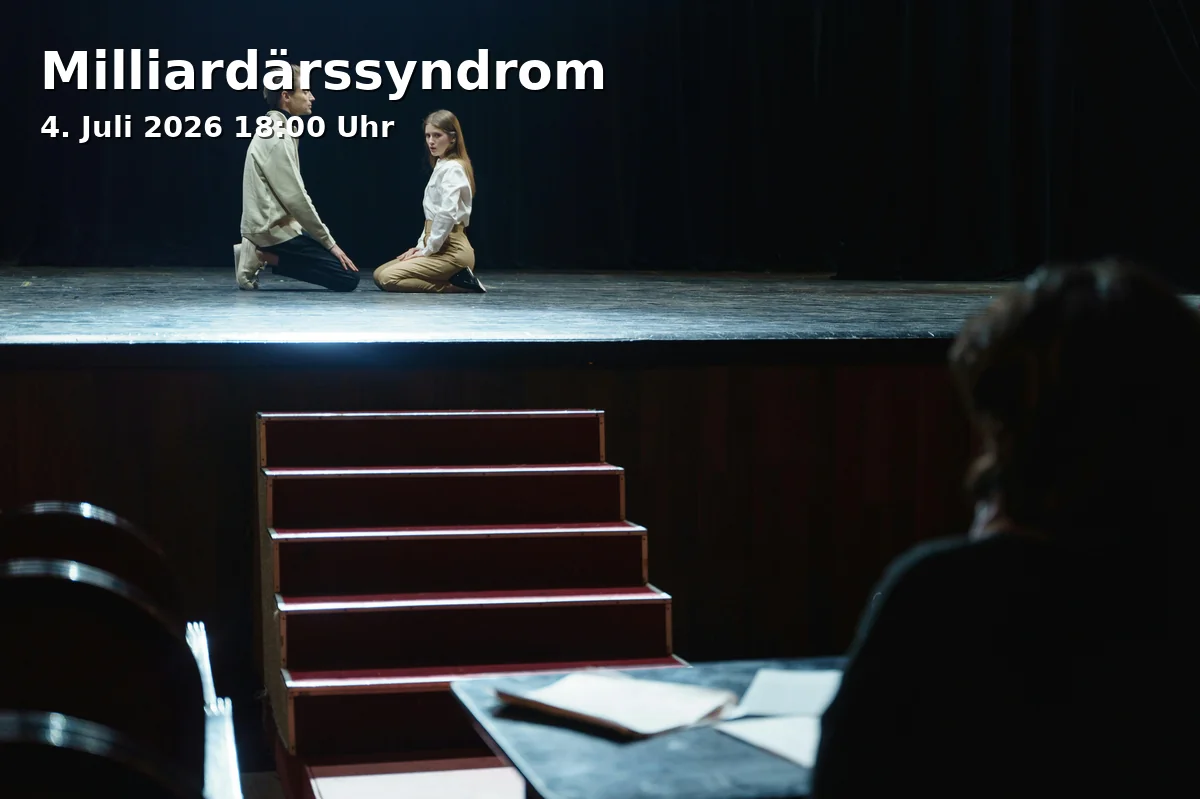
Billionaire Syndrome
A luxury bunker becomes a stage of fear: Billionaire Syndrome at Tor 6 Theater House Bielefeld combines satire and crisis mode. 04.07.2026, 18:00, free. #Theater #Bielefeld
Dance Festival Bielefeld 2026 – Opening Event
Visit the opening of the Dance Festival Bielefeld 2026 with AREA Jeune Ballet. Experience fascinating dance performances.
Frequently Asked Questions
Reviews
No reviews found