
Afar (Volk)
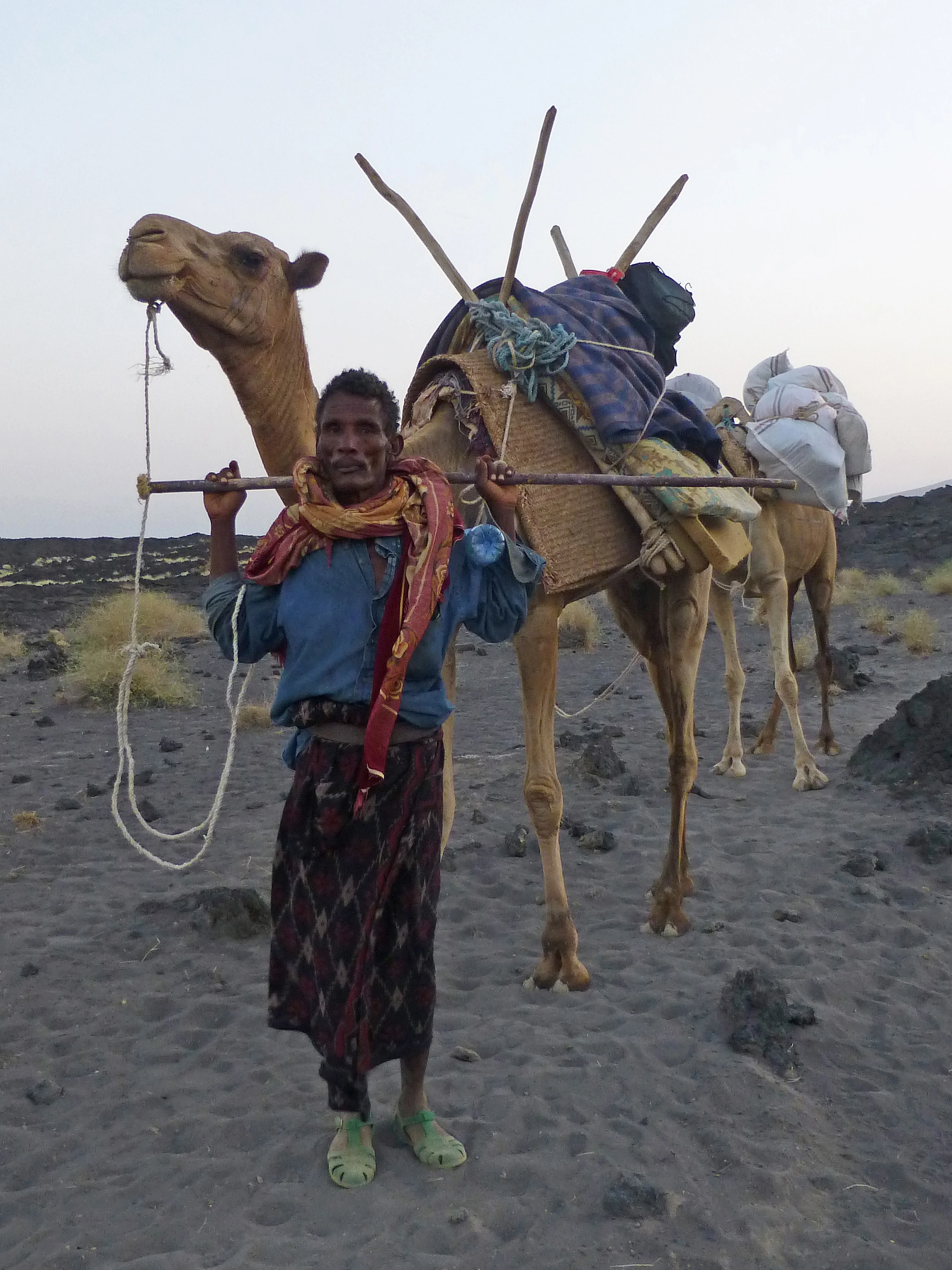
Image from Wikipedia
Image from Wikipedia
Afar – a proud nomadic people between desert, sea, and centuries-old culture
The Afar: Identity, Origin, and Habitat in the Horn of Africa
The Afar, also known by the foreign names Danakil and Adal, are a nomadic people of the Horn of Africa. Their habitat is located in the so-called Afar Triangle in eastern Eritrea, northeastern Ethiopia, and Djibouti. This region not only shapes their way of life but also their self-understanding as a people whose history is closely linked to mobility, adaptability, and cultural autonomy. ([de.wikipedia.org](https://de.wikipedia.org/wiki/Afar_%28Volk%29?utm_source=openai))
Nomadic Lifestyle and Economic Foundations
Traditionally, the Afar primarily live from livestock herding; along the coastline, fishing also plays a role. This fits a habitat characterized by dryness, vast plains, and extreme climatic conditions. It is this very environment that has fostered a culture where mobility, knowledge of water sources, and the management of scarce resources play central roles. ([de.wikipedia.org](https://de.wikipedia.org/wiki/Afar_%28Volk%29?utm_source=openai))
The pastoral economy is more than just a mode of subsistence: it structures social relationships, perceptions of ownership, and forms of authority. In scholarly descriptions of the Afar region, the area is regularly classified as one of the classic pastoral regions of Northeast Africa. The combination of nomadism, regional adaptation, and social organization makes the Afar one of the most distinctive ethnic groups in the Horn of Africa. ([cambridge.org](https://www.cambridge.org/core/journals/bulletin-of-the-school-of-oriental-and-african-studies/article/abs/segmental-phonemes-of-afar/4A7D3BF2519F3DE4252A1600FB503D3A?utm_source=openai))
Language, Religion, and Cultural Influence
The Afar language belongs to the Cushitic language family and is a central element of their cultural identity. It is spoken by members of the people in Ethiopia, Eritrea, and Djibouti, shaping their daily lives, traditions, and collective memory. It also holds significance in regional contexts, such as serving as a local working language or as an expression of ethnic self-assertion. ([de.wikipedia.org](https://de.wikipedia.org/wiki/Afar_%28Volk%29?utm_source=openai))
Religiously, the Afar practice a form of Islam that is intertwined with animistic-traditional elements. This blend points to a long cultural development where Islamic influence and older beliefs do not appear as opposites but interact within social practice. Historical and ethnographic sources describe Islam as deeply rooted and closely woven with local traditions. ([de.wikipedia.org](https://de.wikipedia.org/wiki/Afar_%28Volk%29?utm_source=openai))
History of Borders, Conflicts, and Self-Assertion
Like many African ethnic groups, the Afar were divided by colonial border delineations in the late 19th century, scattered across several states. Their historical settlement area was cut through by political boundaries, which has shaped the community's political and social situation to this day, extending across Eritrea, Ethiopia, and Djibouti. ([de.wikipedia.org](https://de.wikipedia.org/wiki/Afar_%28Volk%29?utm_source=openai))
Particularly in reports on border conflicts and humanitarian crises, it becomes evident how vulnerable pastoral societies are in politically contested areas. Afar groups have found themselves caught between state interests, regional power shifts, and economic insecurity in various historical phases. Drought, cross-border tensions, and limited infrastructure have continually intensified these pressures. ([refworld.org](https://www.refworld.org/reference/countryrep/mrgi/2008/en/65149?utm_source=openai))
Social Order, Everyday Culture, and Regional Particularities
The Afar culture is often characterized by pronounced social discipline, clear community structures, and strong regional identity. Everyday practices such as dental care and body management are highlighted in ethnographic accounts as components of cultural continuity. Such details demonstrate that Afar culture thrives not only from heritage and religion but also from transmitted knowledge and practical routines. ([de.wikipedia.org](https://de.wikipedia.org/wiki/Afar_%28Volk%29?utm_source=openai))
In the Afar Triangle, geological extremes and human adaptation converge directly. The area is one of the most striking landscapes in East Africa and possesses a unique cultural significance, both geographically and culturally. To understand the Afar, one must always also consider the harsh realities of their habitat: heat, water scarcity, and the need to remain mobile. ([de.wikipedia.org](https://de.wikipedia.org/wiki/Afar-Dreieck?utm_source=openai))
Cultural Influence and Contemporary Significance
The Afar exemplify the resilience of nomadic societies in a politically and ecologically challenging region. Their language, pastoral lifestyle, and religious-cultural traditions secure their place in the ethnography of the Horn of Africa. At the same time, they are part of current debates about minority rights, regional development, and the protection of indigenous ways of life. ([peoplegroups.org](https://peoplegroups.org/people_groups/pg011536/?utm_source=openai))
Especially in reports from development organizations and regional studies, it becomes evident that the Afar are not only a historical subject but a vibrant community facing present challenges. Education, health, water supply, and infrastructure determine their situation, as does the preservation of cultural autonomy. Thus, the Afar remain a people whose history, language, and way of life hold significance far beyond regional borders. ([cangoafar.ca](https://cangoafar.ca/about/the-afar-people/?utm_source=openai))
Conclusion: Why the Afar Fascinate
The Afar captivate with the connection between nomadic tradition, linguistic distinctiveness, and a culture that has persisted under difficult conditions for centuries. Their habitat is extreme, their history complex, and their identity clearly defined. Encountering the Afar means not only meeting a people of the Horn of Africa but also experiencing an impressive culture of survival, adaptability, and solidarity. ([de.wikipedia.org](https://de.wikipedia.org/wiki/Afar_%28Volk%29?utm_source=openai))
A visit to their region, a deeper engagement with their language, or a look into the history of the Afar Triangle opens the door to one of the most formative ethnic communities in East Africa. The Afar deserve attention, respect, and long-term interest – as a living culture, not as a footnote of history. ([see.leeds.ac.uk](https://www.see.leeds.ac.uk/afar/websitepages/aboutafarregion.htm?utm_source=openai))
Official Channels of Afar (People):
- Instagram: No official profile found
- Facebook: No official profile found
- YouTube: No official profile found
- Spotify: No official profile found
- TikTok: No official profile found
Sources:
- Wikipedia – Afar (People)
- Wikipedia – Afar (Language)
- Wikipedia – Afar Triangle
- Wikipedia – Afar people
- University of Leeds – About Afar Region
- PeopleGroups.org – Afar of Ethiopia
- Can-Go Afar Foundation – The Afar people
- Government Communication Service – Afar Regional State Government Communication Service
- Refworld – Eritrea: Afar