
Gabriel Kelly
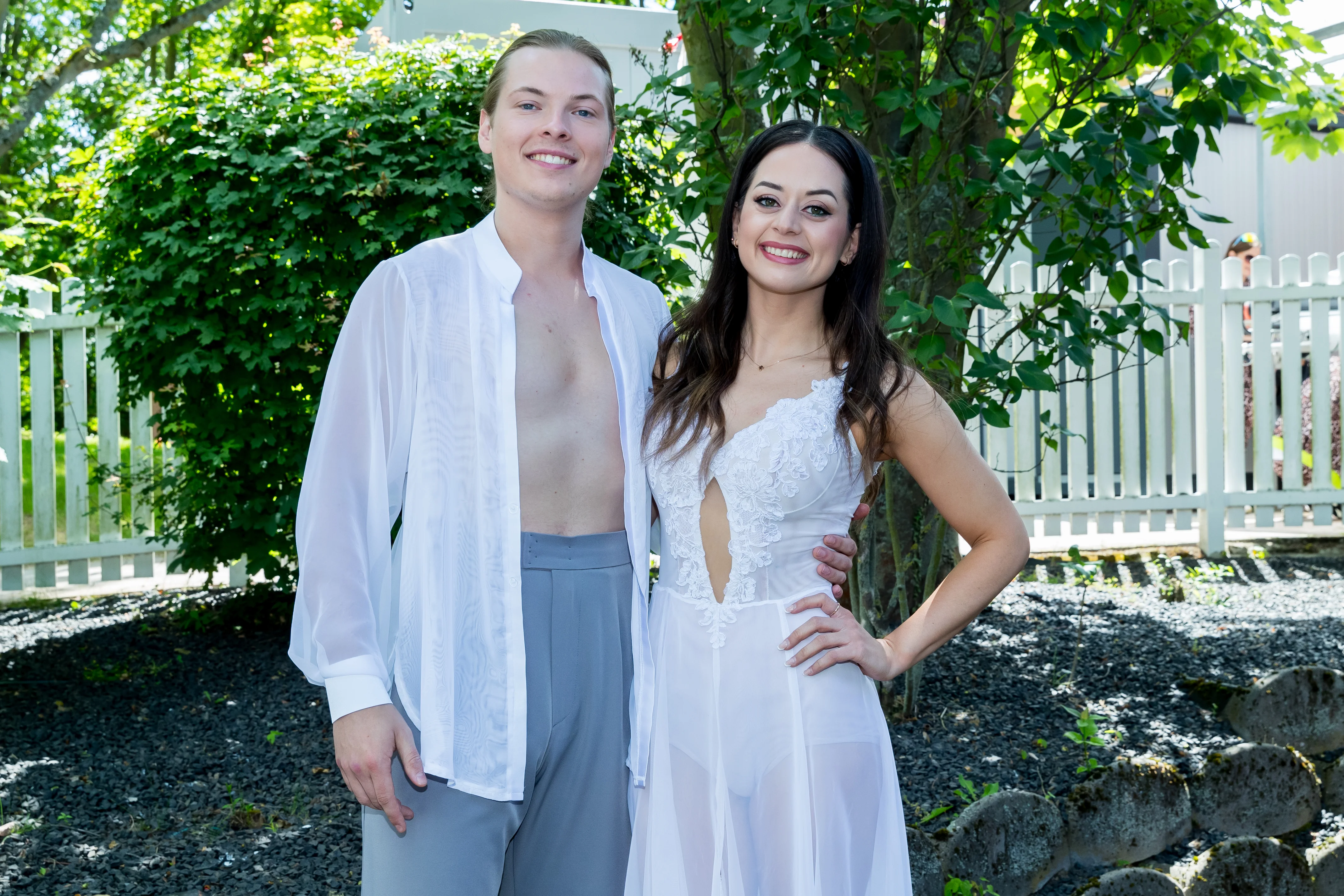
Image from Wikipedia
Image from Wikipedia
Gabriel Kelly – The Departure of a Musician between Family Heritage, Rap Attitude, and Personal Sound
A German-Irish artist who is noticeably breaking away from his roots
Gabriel Kelly belongs to a young generation of musicians whose careers can be described not only by their heritage but also by their determination, work ethic, and the courage to assert their musical identity. Born on July 3, 2001, in Cologne and raised with German-Irish influences, he found himself early on in the tension between his family name and his own artistic identity. As the eldest son of Angelo Kelly and Kira Harms Kelly, he grew up in an environment where stage presence, touring life, and musical routine were part of everyday life. ([rtl.de](https://www.rtl.de/themen/personen/gabriel-kelly-t17762.html))
The early years of Gabriel Kelly are inextricably linked to the Kelly Family, the successful musical family that made music history over the years with street concerts, live shows, and its own mythos. At the same time, his path shows that Gabriel wants to be more than just the son of a famous father. He deliberately sought a path towards his own music career, worked on projects outside the family context, and developed an artistic language that moves between rap, rock, and emotional directness. ([rtl.de](https://www.rtl.de/themen/personen/gabriel-kelly-t17762.html))
Biographical Roots: Growing Up with Music, but Not Remaining in the Shadows
Gabriel Kelly spent his childhood in an environment shaped by music, movement, and an international family life. According to RTL, he performed with his family on stages around the globe for over a decade before the desire to build an independent musical career emerged early on. This experience not only shaped his stage routine but also his understanding of public life, performance pressure, and artistic self-definition. ([rtl.de](https://www.rtl.de/themen/personen/gabriel-kelly-t17762.html))
A significant step was moving out of his parents' house in Ireland at the age of 18 and relocating to Warnemünde, his mother's hometown. There, he continued his work on his music career and tried to break away from being solely defined by his family. This decision is more than just a change of location: it marks the transition from a family musician to a solo artist who wants to assert himself through his own songs and themes. ([rtl.de](https://www.rtl.de/themen/personen/gabriel-kelly-t17762.html))
Career Path: From Family Band Mode to Finding His Own Voice
Before Gabriel Kelly became more visible as a solo artist, his name was mainly associated with his family context. NDR describes him as a musician and singer who had already been a member of the band “Angelo Kelly & Family” for years and has since emerged as a rapper from the shadow of his family. It becomes clear: his development does not follow a sudden hype but rather a longer process of musical maturation and positioning. ([ndr.de](https://www.ndr.de/fernsehen/sendungen/das_rote_sofa/Norddeutschland-und-die-Welt%2Csendung1482586.html))
What stands out particularly is how concretely Gabriel Kelly financed and organized his own path. RTL reports that in 2023 he worked as a day laborer in Spain and financed his first music video for “Bye Bye” with odd jobs on construction sites. Such details reveal a lot about his working style: no polished staging, but an artist who plays a fundamental role in sustaining his own project. This lends credibility to his music career and gives it an earthy, almost documentary character. ([rtl.de](https://www.rtl.de/themen/personen/gabriel-kelly-t17762.html))
His significant media breakthrough outside of music came in 2024 with his participation in “Let’s Dance.” RTL names him a contestant in the 17th season, while NDR ultimately describes his sensational victory. This TV presence acted as a catalyst: Gabriel Kelly reached an audience that had not primarily perceived him as a musician but rather as a personality. For his artistic development, this meant more visibility but also increased pressure to perform. ([rtl.de](https://www.rtl.de/themen/personen/gabriel-kelly-t17762.html))
The Debut Album: Rock and Rap as a Statement
In July 2025, his self-titled debut album Gabriel Kelly was released by Recordjet/Edel. The release was described by mix1 as a blend of rap, hip-hop, and rock/rap and read as a consciously uncompromising start to a solo phase. The tracklist, featuring titles like “Hook,” “Quarterlife Crisis,” “Ex or Kelly Fan,” “Punkrock Girl,” “Helen,” and “Zuckerbrot & Peitsche,” already indicates on a song title level how strongly the artist relies on direct imagery, personal conflicts, and pop cultural friction. ([mix1.de](https://www.mix1.de/music/gabriel-kelly/gabriel-kelly/))
Musically, the album focuses on contrasts. According to mix1, it features angry confrontations with the industry as well as softer, personal pieces; “Helen” is highlighted as a song for his little sister. This mixture of hardness and vulnerability is precisely what makes the appeal of his early discography: Gabriel Kelly works with punchlines but also employs familial and emotional motifs that add a biographical layer to his music. ([mix1.de](https://www.mix1.de/music/gabriel-kelly/gabriel-kelly/))
The album announcement from the Edel compendium emphasizes that Gabriel Kelly wants to blur the lines between rock and rap “in an exciting way” with his debut album. Thus, the artist deliberately places himself beyond a clear genre label. His production relies less on smooth interchangeability and more on strong stance, friction, and a sound that conveys personality. ([edel.com](https://www.edel.com/wp-content/uploads/2025/05/Kompakt-23-25-2.pdf))
Discography and Releases: A First Personal Mark, Distinctive Handwriting
The currently visible discography of Gabriel Kelly is still manageable but already striking. On Spotify, alongside the album Gabriel Kelly, there are singles such as “Fick Dich,” “Geschwister Show,” “Zuckerbrot & Peitsche,” “Zu perfekt,” and “Ex or Kelly Fan.” The platform also points to other pieces like “Irgendwann” as a more recent release. This indicates a phase of active concentration, in which he continuously develops his sound and thematic range. ([open.spotify.com](https://open.spotify.com/artist/7sG7jzjKF3AZoyZDxaTAqz?utm_source=openai))
The pieces suggest a clear aesthetic line: self-assertion, generational themes, family references, relationship dynamics, and the feeling of a quarterlife crisis. Especially in an early solo phase, this is important because it shapes the identity of an artist. Gabriel Kelly uses song as a direct voice and balances between autobiographical openness and resounding attack. ([mix1.de](https://www.mix1.de/music/gabriel-kelly/gabriel-kelly/))
Musical Development and Style: Between Rap, Rock, and Emotional Directness
Gabriel Kelly's style can best be described as hybrid. Official and editorial sources place him in the tension between rap, hip-hop, and rock/rap, while his song titles and album conception refer to a generational and identity language that is strongly influenced by the German-speaking pop and rap mainstream. He works with distinct contrasts: aggressive and melodic, ironic and personal, loud and introspective. ([mix1.de](https://www.mix1.de/music/gabriel-kelly/gabriel-kelly/))
This mixture makes his artistic development interesting. Coming from a famous musical family, one often faces the decision to either replicate or break from tradition. Gabriel Kelly takes a third path: he embraces the public self-evidence of a musical family, yet stylistically breaks with the expected and opts for a young, direct, and sometimes confrontational language. This creates a profile that does not rely on nostalgia but on presence and attitude. ([rtl.de](https://www.rtl.de/themen/personen/gabriel-kelly-t17762.html))
Cultural Context and Public Perception
The media perception of Gabriel Kelly heavily relies on his family name but also on his efforts to recode that name. NDR highlights that he has long stepped out of his family's shadow with his solo career as a rapper. RTL simultaneously emphasizes his independence and his desire to define himself through work, music, and discipline. This dual perspective makes him an exciting figure in the German-speaking pop cosmos. ([rtl.de](https://www.rtl.de/themen/personen/gabriel-kelly-t17762.html))
The response to his debut album also indicates growing interest in his development. mix1 awarded a strong rating and described the songs as loud, direct, uncompromising, yet also warm and emotional. This creates the image of an artist who is not only marketed based on his origins but also possesses a recognizable musical temperament. This is crucial for long-term relevance. ([mix1.de](https://www.mix1.de/music/gabriel-kelly/gabriel-kelly/))
Conclusion: A Young Musician with Real Friction and Much Future
Gabriel Kelly is intriguing because he combines a well-known heritage with an independent, raw, and very personal contemporary aesthetic. His career showcases a musician who is not comfortably settling into the family myth but is building a new identity through work, stage practice, TV presence, and his own songs. This blend of heritage and individuality makes him a figure worth closely watching. ([rtl.de](https://www.rtl.de/themen/personen/gabriel-kelly-t17762.html))
Anyone experiencing Gabriel Kelly live does not see a polished up-and-coming star but an artist in development, sharpening his voice with each release. His journey is just beginning, yet the stations already showcased display profile, energy, and attitude. This is precisely what makes his development so appealing to music lovers. ([mix1.de](https://www.mix1.de/music/gabriel-kelly/gabriel-kelly/))
Official Channels of Gabriel Kelly:
- Instagram: No official profile found
- Facebook: No official profile found
- YouTube: No official profile found
- Spotify: https://open.spotify.com/artist/7sG7jzjKF3AZoyZDxaTAqz
- TikTok: No official profile found
Sources:
Upcoming Events
GABRIEL KELLY live at Backstage Club Munich
Munich receives Gabriel Kelly in an intense club format: Support VAUH, strong proximity to the stage, and great emotions. 09/12/2026, 8 PM. #Live
Gabriel Kelly - Live 2026
Don't miss the live concert of Gabriel Kelly on September 17 at Forum Bielefeld. Be there!