
Rita Laura Segato
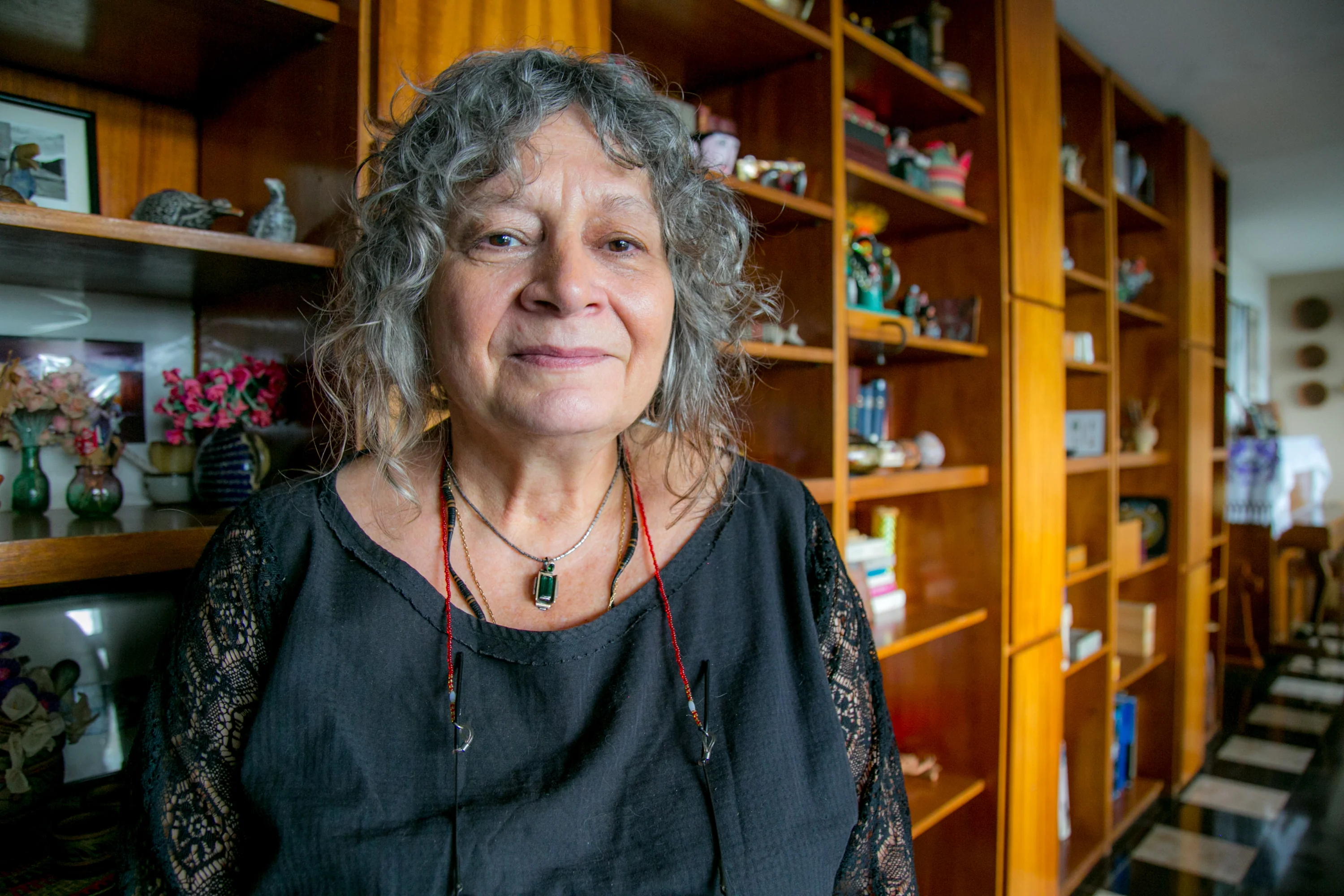
Image from Wikipedia
Image from Wikipedia
Rita Laura Segato: One of the Most Influential Feminist Voices in Latin America
Thinking Against Violence, Coloniality, and Patriarchal Power
Rita Laura Segato, born on August 14, 1951, in Buenos Aires, is among the most influential anthropologists and feminist thinkers in Latin America. Her work intertwines social anthropology, gender studies, critiques of coloniality, and human rights activism into an intellectual voice of exceptional clarity. For decades, she has shaped debates on violence against women, racism, and the political structures of patriarchal domination. ([de.wikipedia.org](https://de.wikipedia.org/wiki/Rita_Laura_Segato?utm_source=openai))
Biographical Roots Between Buenos Aires, Brasília, and International Teaching
Segato studied at the University of Buenos Aires and later specialized in ethnomusicology in Caracas before receiving her Ph.D. in social anthropology from Queen’s University of Belfast in 1984. Her academic career took her to the University of Brasília, where she taught for many years and is now recognized as an emeritus professor. Additionally, she has served as a guest professor at international institutions, including Princeton University. ([es.wikipedia.org](https://es.wikipedia.org/wiki/Rita_Segato?utm_source=openai))
This biographical movement between South America and global academic spaces also shapes her perspective: Segato views violence not as an isolated crime but as an expression of historically evolved power structures. Her research focuses particularly on the entanglement of gender, race, colonialism, and capitalism. This is where the force of her argument emerges: the social world can only be understood when the invisible hierarchies are made visible. ([de.wikipedia.org](https://de.wikipedia.org/wiki/Rita_Laura_Segato?utm_source=openai))
The Academic Breakthrough: Feminism as an Analysis of Power
Segato gained international recognition through her work on femicide, sexualized violence, and the political conditions under which violence against women arises. Her thinking shifts the focus from individual perpetrators to the social structures that normalize cruelty and stabilize masculinity as a form of domination. In many portraits, she is described as one of the lucid feminist thinkers of our time. ([herder.com.mx](https://herder.com.mx/en/autores-writers/rita-segato?utm_source=openai))
Her studies on Ciudad Juárez, as well as on indigenous communities and Latin American societies, have been particularly influential. Segato analyzes patriarchal violence as a political system, not as a marginal phenomenon. She has further developed this perspective in numerous lectures, interviews, and publications, founding a school of critical thinking that extends far beyond anthropology. ([noticias.unb.br](https://noticias.unb.br/artigos-main/4495-rita-segato-mulher-pesquisadora-militante-hoje-cidada-do-mundo?utm_source=openai))
Current Projects and Public Presence 2024/2025
In 2024 and 2025, Segato remained prominently in the public eye. She spoke on anti-genderism, patriarchal power, and political crises in Latin America, including interviews and events in Argentina, Brazil, Italy, and Austria. A conversation at Ca’ Foscari University in Venice in April 2025 showcased her again as an internationally renowned anthropologist and feminist author. ([unive.it](https://www.unive.it/web/en/15205/article/6595?utm_source=openai))
In late 2024 and 2025, new discussions about her books were at the forefront, including The War Against Women and German and Italian editions of other texts. Media reports highlighted her diagnosis of a “pedagogy of cruelty,” through which she describes how societies condition people for dehumanization and violence. Therefore, Segato remains not only an academic reference but also a current commentator on contemporary politics. ([npla.de](https://www.npla.de/thema/politik-gesellschaft/milei-ist-der-sandkasten-am-ende-einer-rutschbahn-aus-enttaeuschungen-2/?utm_source=openai))
Work, Books, and Critical Reception
Segato's work is less of a traditional discography and more a vast body of journalistic and scholarly output that is received in multiple languages. Internationally known titles include The War Against Women and her works in Spanish, Portuguese, and other languages addressing coloniality, patriarchy, and violence against women. Publishers, universities, and specialized media regard her as one of the most significant feminist thinkers on the continent. ([books.google.com](https://books.google.com/books/about/The_War_Against_Women.html?id=CXkvEQAAQBAJ&utm_source=openai))
The critical reception particularly highlights her conceptual precision and political consequences. Segato combines ethnographic experience with theoretical sharpness, creating a language that does not downplay social violence but rather makes it structurally readable. In academic institutions, feminist movements, and human rights contexts, she is considered an authority because her analyses do not remain abstract but specify concrete power relations. ([plas.princeton.edu](https://plas.princeton.edu/las-420-coloniality-power-gender-perspective?utm_source=openai))
Style, Method, and Cultural Influence
Segato's intellectual style is concise, accessible, and theoretically profound. She works with clear terms such as coloniality, patriarchy, regimes of violence, and cruelty, without losing sight of concrete social experiences. This connection between analysis and political urgency makes her texts equally relevant for academia, activism, and cultural journalism. ([de.wikipedia.org](https://de.wikipedia.org/wiki/Rita_Laura_Segato?utm_source=openai))
Her influence extends into feminist movements, debates on femicide, decolonial theory, and human rights work. Segato has shaped the political discourse in Latin America by describing patriarchal violence as a technique of power and as a culturally learned practice. As a result, her work is not only read but also cited, discussed, and translated into new struggles. ([noticias.unb.br](https://noticias.unb.br/artigos-main/4495-rita-segato-mulher-pesquisadora-militante-hoje-cidada-do-mundo?utm_source=openai))
Conclusion: Why Rita Laura Segato Remains Fascinating
Rita Laura Segato is fascinating because she transforms theory into action. Her analyses of violence, gender, and coloniality possess the rare power to be both scientifically precise and politically moving. Anyone wishing to understand how patriarchal and colonial power is inscribed in modern societies finds in her an indispensable voice. ([herder.com.mx](https://herder.com.mx/en/autores-writers/rita-segato?utm_source=openai))
Segato remains a thinker of contemporary relevance and consequence, whose works not only accompany debates but also change them. For this reason, it is worthwhile to closely follow her lectures, discussions, and publications. Those who experience her live encounter an extraordinary intellectual stage presence that impressively combines analysis, conviction, and cultural authority. ([plas.princeton.edu](https://plas.princeton.edu/las-420-coloniality-power-gender-perspective?utm_source=openai))
Official Channels of Rita Laura Segato:
- Instagram: No official profile found
- Facebook: No official profile found
- YouTube: No official profile found
- Spotify: No official profile found
- TikTok: No official profile found
Sources:
- Wikipedia – Rita Laura Segato
- Wikipedia (es) – Rita Segato
- Ca’ Foscari University – A conversation on feminism, activism and gender-based violence with Rita Segato
- Princeton University – Rita Segato
- Universidade de Brasília – Rita Segato: Mulher, Pesquisadora, Militante
- Universidade de Brasília – Rita Segato among global heroines of human rights
- Instituto Humanitas Unisinos – Interview with Rita Segato
- El País – Rita Segato: The present is sinister
- Wikipedia: Image and text source
Upcoming Events
Book Presentation 'The Elementary Structures of Violence'