
Michael Herbig
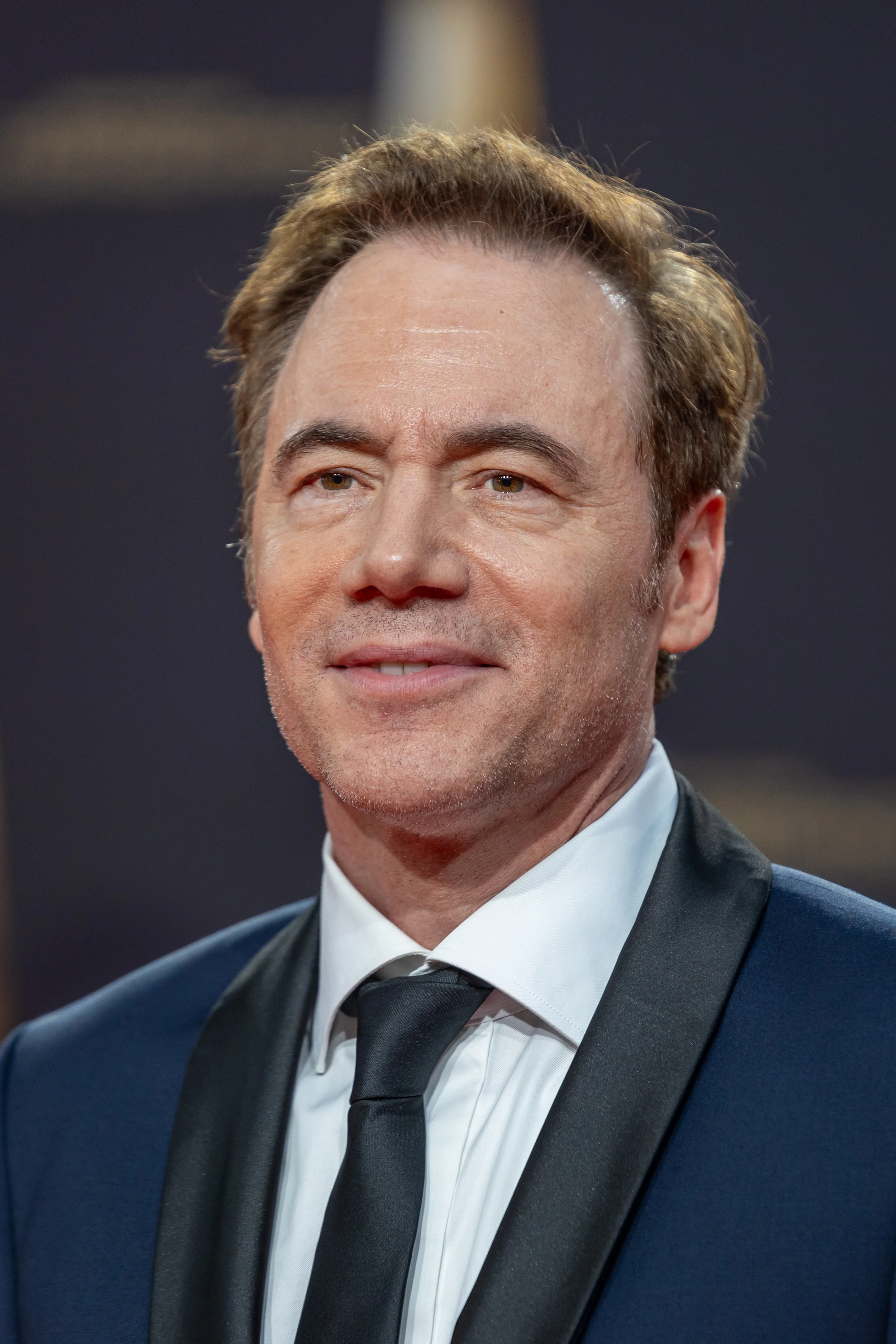
Image from Wikipedia
Image from Wikipedia
Michael "Bully" Herbig – The Master of German Pop Culture Between Radio, Cinema, and Cult Comedy
An Entertainer Who Has Written German Entertainment History
Michael Alexander "Bully" Herbig, born on April 29, 1968, in Munich, is one of the defining faces of the German entertainment landscape. As a comedian, actor, director, screenwriter, voice actor, producer, and entrepreneur, he has created his own universe of humor since the early 1990s, uniquely blending radio, television, and cinema. He achieved fame with the cult TV show Bullyparade and the films Der Schuh des Manitu and (T)Raumschiff Surprise – Periode 1, which are among the most successful German productions since 1968. ([de.wikipedia.org](https://de.wikipedia.org/wiki/Michael_Herbig))
Early Years: Munich, Education, and the Path to Comedy
Herbig grew up in Munich and initially did not pursue a straightforward artistic path. After completing secondary school at the boarding school Schloss Brannenburg, he applied to the University of Television and Film Munich but was rejected and instead completed a photography apprenticeship. This detour shaped the story of his broader media career: Herbig developed an early sense of timing, visual language, punchlines, and the mechanics of popular entertainment. ([de.wikipedia.org](https://de.wikipedia.org/wiki/Michael_Herbig))
The nickname "Bully" comes from his school days and refers to an early piece of local identity that later became a brand. The boy from Munich with a keen eye for observation evolved into a creative mind who could not be confined to a single discipline. This versatility continues to underpin his artistic development to this day. ([de.wikipedia.org](https://de.wikipedia.org/wiki/Michael_Herbig))
The Breakthrough in Radio and the Birth of a Personal Comedy Universe
His career began in 1992 with regular appearances on the radio, including more than 800 contributions, swiftly leading him into the world of television satire. Collaborative work with Christian Tramitz and Rick Kavanian became particularly important, as this was the first time Herbig formed a well-known ensemble. In the radio show Bully’s Late Light Show, which started in 1997, and later in Die Bullyparade, a humor emerged that combined parody, role-switching, and pop citations into a distinctive style. ([de.wikipedia.org](https://de.wikipedia.org/wiki/Michael_Herbig))
Bullyparade, aired from 1997 to 2002 on ProSieben, became the creative center of his work. Characters, running gags, and genre parodies from the show served as raw material for later cinematic successes. Herbig demonstrated an early talent for rhythm, ensemble work, and the art of crafting lasting brands from TV sketches. ([de.wikipedia.org](https://de.wikipedia.org/wiki/Michael_Herbig))
The Leap into Cinema: Records, Audience Success, and Iconic Figures
With Erkan & Stefan, Herbig made his film directing debut in 2000 before achieving one of the greatest German box office hits of all time with Der Schuh des Manitu in 2001. The film attracted 11.7 million viewers and ranks among the ten most successful films in Germany. It also became the most successful film in Austria at the time, solidifying Herbig’s status as a national cultural icon. ([de.wikipedia.org](https://de.wikipedia.org/wiki/Michael_Herbig))
Just three years later, (T)Raumschiff Surprise – Periode 1 followed as another triumph. The film again relied on characters from Bullyparade and recorded a total of 9.1 million viewers. Herbig proved that his comedy functions not only in individual sketch formats but also in grand cinematic forms, with clear dramaturgy, precise ensemble performance, and a nuanced understanding of genre expectations. ([de.wikipedia.org](https://de.wikipedia.org/wiki/Michael_Herbig))
Musical Components, Soundtracks, and the Pop Culture Interface
Although Michael Herbig is not a musician in the classical sense, his work possesses a pronounced musical dimension. His projects thrive on rhythm, musicality, sound design, and the comedic use of songs, titles, and musical motifs. This is particularly evident in the awards surrounding individual film songs and the accompanying records and soundtrack concepts that expand his film universe. ([de.wikipedia.org](https://de.wikipedia.org/wiki/Michael_Herbig))
A notable example is the Comet award in 2004 for Space Taxi as well as for Stefan Raab feat. Spucky, Kork und Schrotty in the category of Best Film Song. Such successes illustrate how closely Herbig's comedy merges with music, song formats, and pop references. His work in pop culture functions not only as film comedy but also as a multimedia total experience with a strong catchy tune potential. ([de.wikipedia.org](https://de.wikipedia.org/wiki/Michael_Herbig))
Other Film and Television Projects: Versatility Beyond the Long-Serving Hit
After the major film success, Herbig remained productive and continually sought new forms. He worked as a voice actor, including in Back to Gaya and Ein Königreich für ein Lama, and established the production companies herbX Medienproduktion GmbH, herbX Tonstudios, and herbX Film GmbH. With Bully & Rick and later TV and film formats, he kept his creative brand present for years. ([de.wikipedia.org](https://de.wikipedia.org/wiki/Michael_Herbig))
Later works like Lissi und der wilde Kaiser, Wickie und die starken Männer, Die Geschichte vom Brandner Kaspar, Ballon, and Tausend Zeilen demonstrated that Herbig also excels at serious topics, family cinema, and historical themes beyond pure parody. Notably, Ballon marked a significant tonal shift towards suspense and historical gravity, without losing his clear signature style. ([de.wikipedia.org](https://de.wikipedia.org/wiki/Michael_Herbig))
Current Projects and Recent Successes Through 2025
In 2024 and 2025, Herbig remained a central figure in the German entertainment cosmos. With Das Kanu des Manitu, he announced the sequel to his cult film; the movie is set to hit theaters in 2025, bringing together Herbig, Christian Tramitz, and Rick Kavanian once again. Additionally, he stayed visible on television with formats like Stefan und Bully gegen irgendson Schnulli and LOL: Last One Laughing. ([bertelsmann.com](https://www.bertelsmann.com/en/news-and-media/news/rtl-participates-in-michael-bully-herbig-movie-production-for-the-first-time.jsp?utm_source=openai))
The response to these later works demonstrates how robust his brand remains. Awards such as the Goldene Leinwand for Das Kanu des Manitu along with further honors in 2025 underline his enduring appeal to audiences. Herbig thus continues to be an artist whose artistic development is not frozen in retrospect but is continuously evolving. ([de.wikipedia.org](https://de.wikipedia.org/wiki/Michael_Herbig))
Discography, Awards, and Cultural Influence
Michael Herbig does not have a classical discography in the sense of a musician, but he does have an impressive list of film, TV, and comedy works with a strong musical and acoustic identity. Particularly defining are the recurring thematic worlds, the use of songs, titles, and sound design, and the close intertwining of comedy and pop aesthetics. This hybrid style has made him one of the most recognizable German entertainers of his generation. ([de.wikipedia.org](https://de.wikipedia.org/wiki/Michael_Herbig))
His awards read like a panorama of German media history: German Comedy Award, Bambi, Goldene Kamera, Jupiter Award, Bavarian Film Award, German Television Award and many other honors document the broad cultural influence of his work. The fact that his films rank among the most-watched German productions since 1968 explains his unique status in pop culture. Herbig combines audience success, brand building, and stylistic recognizability in remarkable ways. ([de.wikipedia.org](https://de.wikipedia.org/wiki/Michael_Herbig))
Conclusion: Why Michael Herbig Continues to Fascinate Today
Michael Herbig epitomizes a rare mix of comedic intelligence, precise direction, and genuine audience connection. His career illustrates how radio comedy can evolve into a cinematic universe, parody can become a cult brand, and entertainment can morph into a lasting cultural reference. Anyone wanting to understand German pop culture cannot overlook Bully Herbig. ([de.wikipedia.org](https://de.wikipedia.org/wiki/Michael_Herbig))
The connection between timing, ensemble, visual imagination, and musical intuition is what makes him captivating. His works thrive on shared experiences, recognition, and the joy of the grand entertainment moment. Michael Herbig remains exciting because he has entertained audiences for decades with clever ease and palpable stage presence. Experiencing him live or in his latest projects means witnessing German comedy history in motion. ([bertelsmann.com](https://www.bertelsmann.com/en/news-and-media/news/rtl-participates-in-michael-bully-herbig-movie-production-for-the-first-time.jsp?utm_source=openai))
Fans' Voices
Based on verified social media findings, no substantial, quotable comment stream could be extracted from official platforms. Therefore, this section is intentionally kept without fabricated fan quotes. However, the broad reach of his official channels shows that Herbig has built a loyal and active community over the years. ([socialblade.com](https://socialblade.com/instagram/user/bullyherbig/realtime?utm_source=openai))
Official Channels of Michael Herbig:
- Instagram: https://www.instagram.com/bullyherbig/
- Facebook: https://www.facebook.com/Michael.Bully.Herbig/
- YouTube: No official profile found
- Spotify: No official profile found
- TikTok: No official profile found
Sources:
- michael-bully-herbig.de – Official Website
- Wikipedia – Michael Herbig
- Wikipedia – Michael "Bully" Herbig
- filmportal.de – Michael Herbig
- WDR – Michael Herbig on "Tausend Zeilen"
- Bertelsmann / RTL – Announcement of "Das Kanu des Manitu"
- Instagram – Michael Herbig
- Facebook – Michael Bully Herbig
- Wikipedia: Image and text source