
Walter Spies
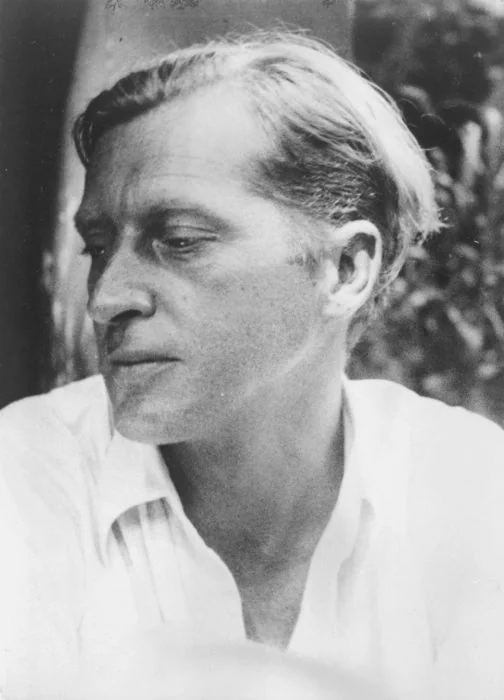
Image from Wikipedia
Image from Wikipedia
Walter Spies – the Musician and Painter Who Artistically Reinvented Bali
A Boundary-Crosser Between Music, Painting, and Cultural Transformation
Walter Spies was one of those rare artist figures whose life journey resembles a work of art: born in 1895 in Moscow, shaped by Russian, German, and later Indonesian culture, he became a musician and painter who left lasting traces on Bali. His name is now synonymous with an artistic development where music, visual language, and cultural mediation are inextricably intertwined. Spies died in 1942 west of Nias in the Indian Ocean, yet his impact on modern Indonesian painting and the perception of Bali extends far beyond his lifetime. (de.wikipedia.org)
Early Years: Education, Music, and a View Beyond Europe
Spies grew up in a cosmopolitan environment where art and music were an integral part of everyday life. The Encyclopedia notes that as a child, he even came into contact with Russian composers like Sergei Rachmaninoff and Alexander Scriabin, and began composing in a contemporary style at an early age. This early musical influence explains why his later musical career was never merely a by-product of his painting but remained an independent part of his artistic identity. (encyclopedia.com)
World War I was a biographical turning point for Spies. As a German national in Russia, he was interned in 1915 and taken to a camp near Sterlitamak in the Ural Mountains. It was there, in contact with rural culture, folk songs, and storytelling traditions, that his perception of the unfiltered, archaic, and ritualistic became sharper. This experience later influenced both his painting and musical sensitivity. (encyclopedia.com)
The Breakthrough in Germany: Dresden, Berlin, and the Avant-Garde
After returning to Germany, Spies initially worked in Dresden, where he encountered significant expressionist movements. In Berlin, he designed stage sets, collaborated with Friedrich Murnau, and immersed himself in the advanced art scene. His years in Berlin familiarized him with the new currents of modernity and expanded his repertoire between composition, visual art, and theater work. (de.wikipedia.org)
In 1919, Spies exhibited his first paintings and earned additional income as a dance teacher, being regarded as a skilled tango dancer. This connection between body, rhythm, and visual space is central to his work. Spies did not conceive of art in rigid disciplines but as a dynamic weave of sound, gesture, and atmosphere. This unique approach defines the authority of his artistic profile. (encyclopedia.com)
The Journey to Southeast Asia: Java, Yogyakarta, and the Gamelan
In 1923, Spies traveled to Java and found an artistic resonance that profoundly changed his development. In Yogyakarta, he was fascinated by the Gamelan at the Sultan's Palace and began systematically immersing himself in Javanese music. The Encyclopedia reports that he learned the Javanese language and Malay, studied all Gamelan instruments, and even ventured into hybrid musical experiments between Indonesian and European music. (encyclopedia.com)
This chapter of his biography depicts Walter Spies as a true cultural mediator. He did not observe from a distance but immersed himself in musical practice without co-opting its internal logic. The fact that he later did not publish his own hybrids shows an unusual artistic integrity: Spies aimed not to provide an exotic surface but to offer a respectful approach to the inner structure of the music. (encyclopedia.com)
Bali as a Center of Life: Painting, Music, and Cultural Authority
In 1927, Spies moved to Bali, finding the living and working space with which his name is still associated today. The official Walter Spies volume describes him as a key figure in the artistic flourishing of Ubud and its surroundings. Alongside Rudolf Bonnet and Cokorda Gede Agung Sukawati, he provided crucial impetus for the development of the visual arts in the region. (walter-spies.de)
On Bali, Spies was not just a painter but also a curator, collector, observer, and patron. He documented local traditions, helped establish a museum, and supported young artists in finding new forms of expression. At the same time, he bolstered the musical culture of the region, thus impacting far beyond his own oeuvre. In this sense, his cultural authority is closely tied to practical foundational work. (walter-spies.de)
Style and Work: Between European Modernity and Tropical Imagery
Spies' painting combined Western and Eastern elements in a way that made him a unique figure in art history. Encyclopedia.com describes his style as a fusion of spiritual motifs from the culture of his adopted homeland with the techniques of European modernity. The official biography on walter-spies.de also emphasizes that he worked slowly and methodically, developing a precise technique that lent his paintings a special intensity and color nuance. (encyclopedia.com)
His work is not merely a travel impression but a carefully constructed visual composition. Tropical landscapes, rituals, dance, bodies, and nature do not appear to Spies as mere backdrops, but as intertwined visual orders. It is precisely this quality that made him so important for modern Indonesian painting: he did not provide a copy of European forms but a model for productive artistic translation. (de.wikipedia.org)
Musical Signature: Sound as Cultural Research
Walter Spies was a musician in the fullest sense of the word. His engagement with Gamelan, his work as a pianist for silent films in Java, and his earlier compositions show an artist who did not see music as a side project. Rather, he used sound as a method to capture the world rhythmically and structurally. (encyclopedia.com)
Particularly noteworthy is that Spies regarded musical practice as a form of learning about society. In Russia, he encountered folk song traditions; in Germany, modernity; in Java, the courtly and ritual sound world; and finally, in Bali, the vibrant intertwining of music, dance, and social life. These stages make him a historical exception at the intersection of music history and cultural history. (encyclopedia.com)
Reception and Impact: From Insider Tip to Cultural-Historical Figure
During his lifetime, Spies remained comparatively marginally known in Europe, yet his influence on Bali and in international art history was significant. The official volume describes him as a founding figure of Ubud's cultural reputation, playing a crucial role in establishing the place as a center of extraordinary artistic quality. Subsequent exhibitions in the Netherlands and biographical works have further solidified his status. (walter-spies.de)
Additionally, his legacy continues in literature, film, and research. Wikipedia mentions, among other things, a television movie, novels, and academic works that address Spies' influence on Balinese art and culture. The fact that modern narratives repeatedly invoke him as a figure of transition demonstrates his enduring cultural resonance. Spies remains not only historically interesting but aesthetically productive. (de.wikipedia.org)
Current Projects and Publications
Walter Spies himself naturally has no current music projects or new publications in 2024 or 2025, as he passed away in 1942. The contemporary relevance of his work arises through exhibitions, publications, research, and digital archives. This is the unique case of a historical artist: his discography, in the narrow sense, is not ongoing, but his artistic presence remains alive through reception, editions, and art historical discourse. (de.wikipedia.org)
Conclusion: Why Walter Spies Continues to Fascinate
Walter Spies captivates because he understood art, music, and cultural mediation not as separate entities but as a shared way of life. His musical career spanned from his Russian heritage through German modernity to the sound worlds of Java and Bali; his painting transformed tropical landscapes into artistic insight. Those who discover Spies encounter a boundary-crosser who created a lasting legacy from observation, respect, and creative power. His work invites us to not only read him but to experience him anew as a historical source of inspiration. (encyclopedia.com)
Official Channels of Walter Spies:
- Instagram: no official profile found
- Facebook: no official profile found
- YouTube: no official profile found
- Spotify: no official profile found
- TikTok: no official profile found
Sources:
Upcoming Events
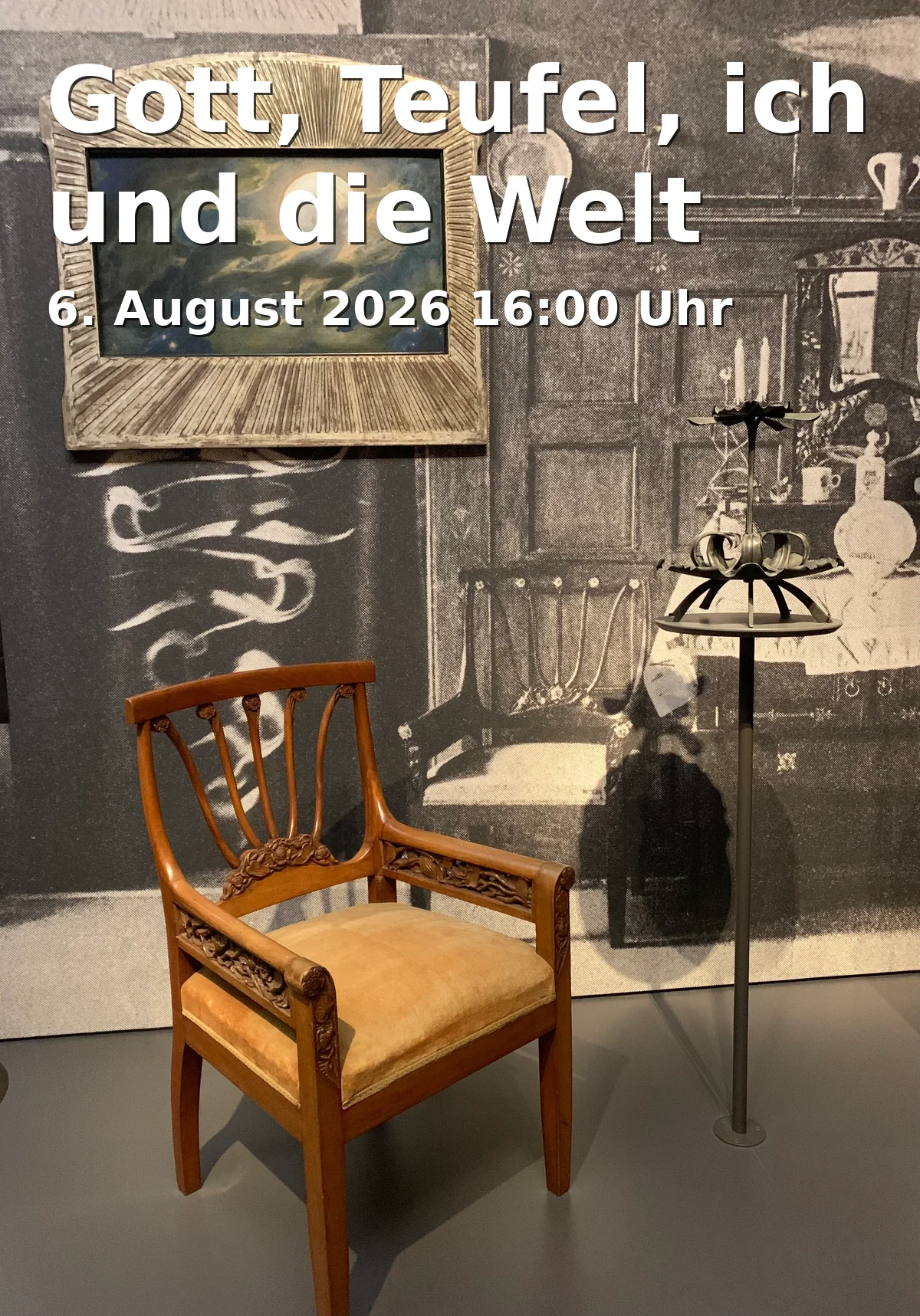
God, Devil, Me and the World
Walter Spies Between Myth and Modernity: At Kunstraum Rampe, painting meets cultural history and tragedy. 06.08.2026. #ArtInBielefeld
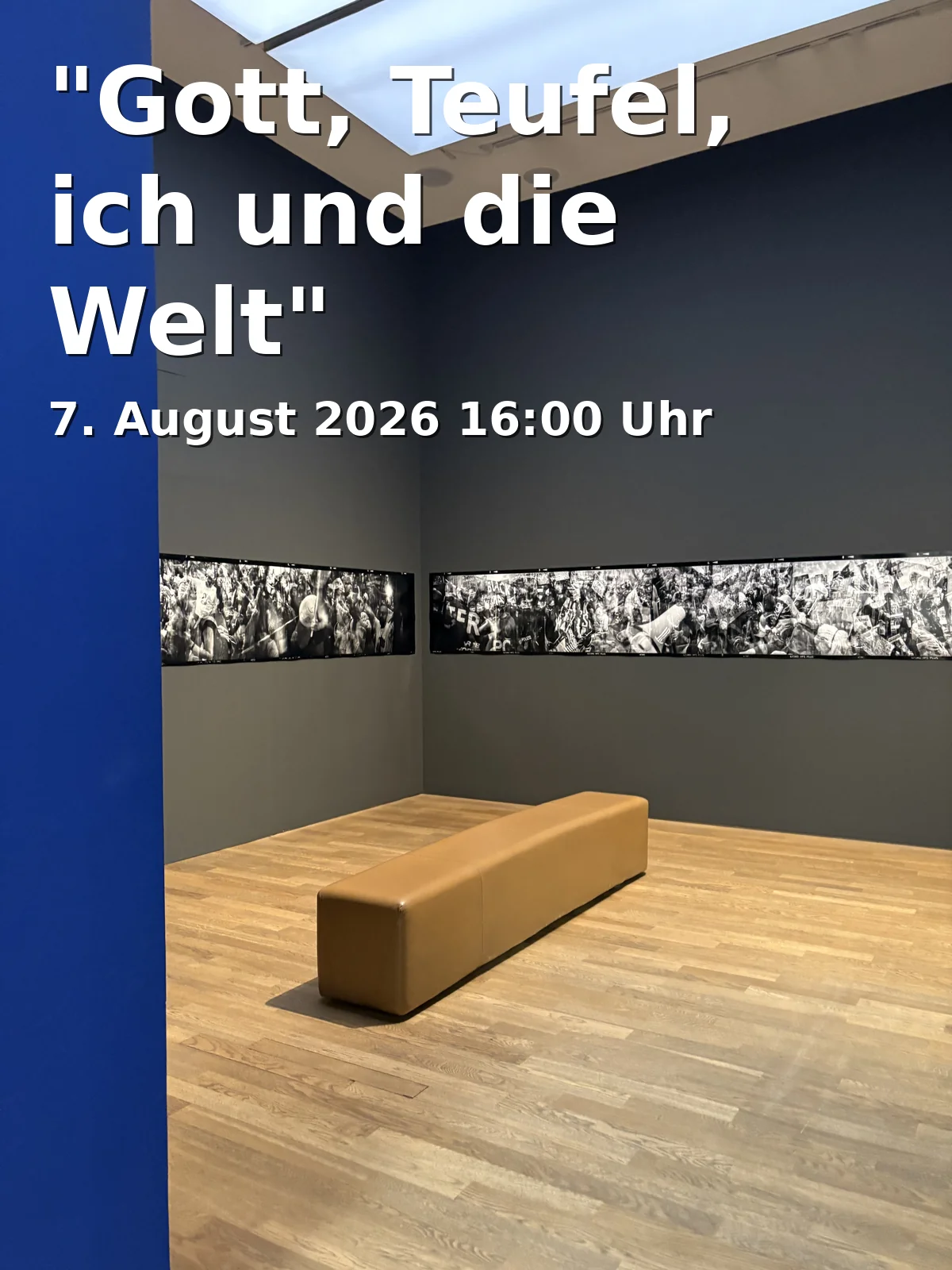
"God, Devil, Me and the World"
Walter Spies between Bali, modernity, and world history: This exhibition at Kunstraum Rampe opens the view for art, myth, and tragedy. #Art